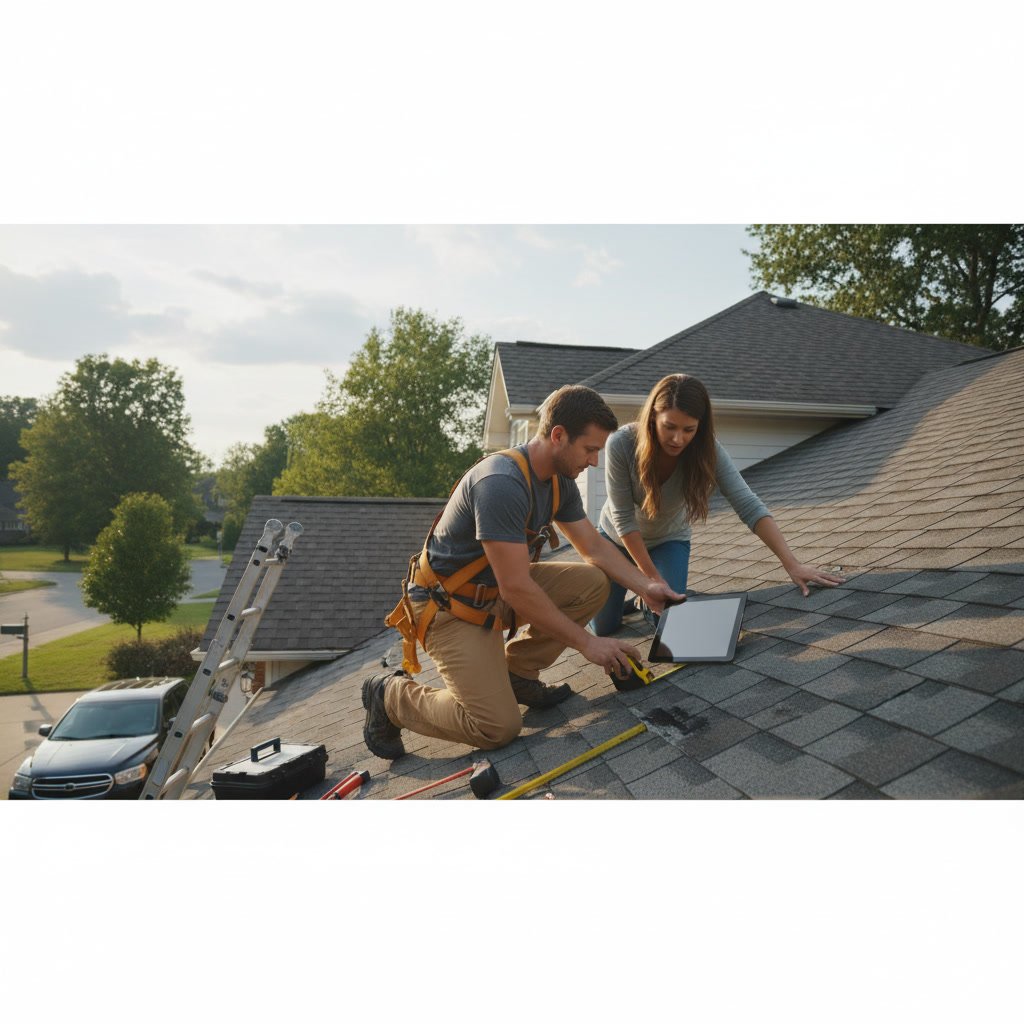
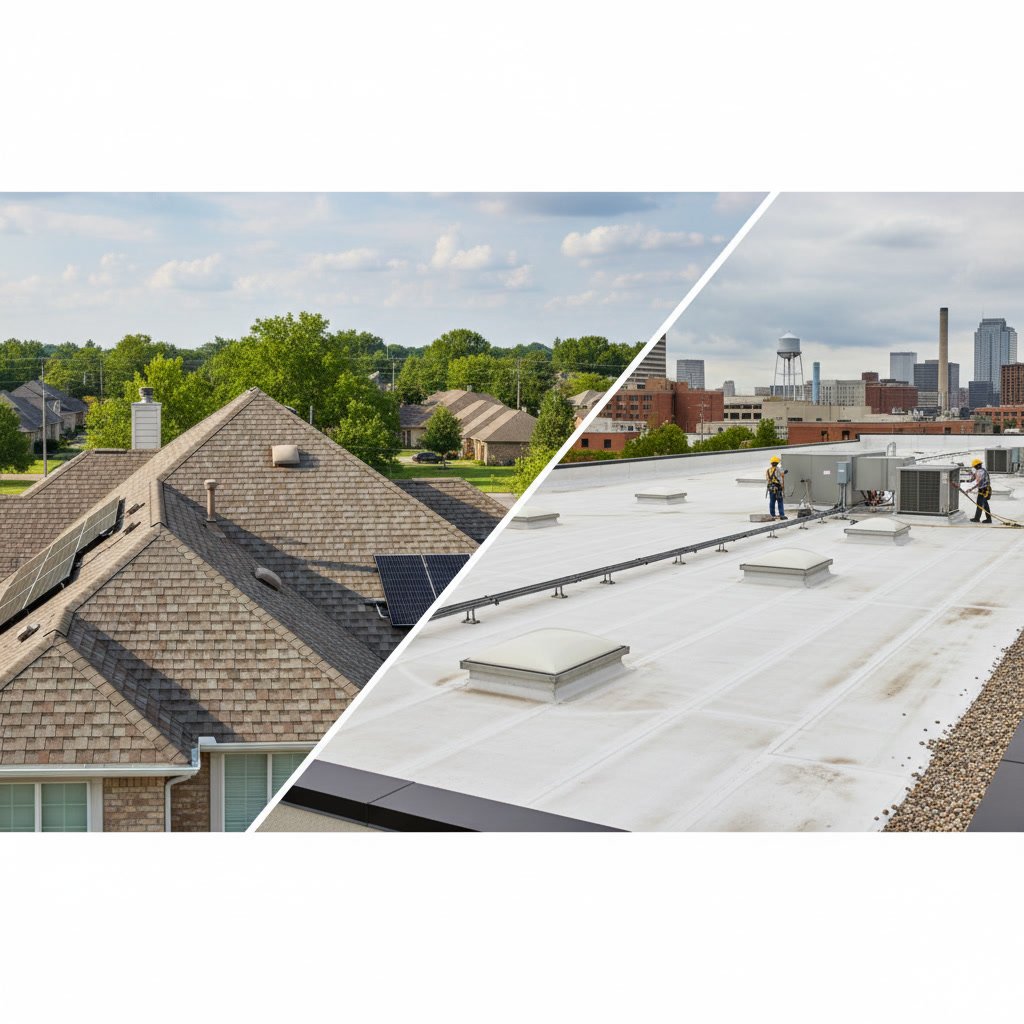
Property owners often wonder what sets residential and commercial roofing apart. The residential commercial roofing differences extend far beyond building size. From materials and installation methods to maintenance schedules and building codes, these distinctions impact your project timeline, budget, and contractor selection. Understanding these differences helps you make informed decisions whether you manage a warehouse in Brandon or own a home in Valrico.
This guide breaks down the key differences between residential and commercial roofing systems, including design approaches, material choices, installation requirements, and long-term maintenance needs.
Design and Structural Differences
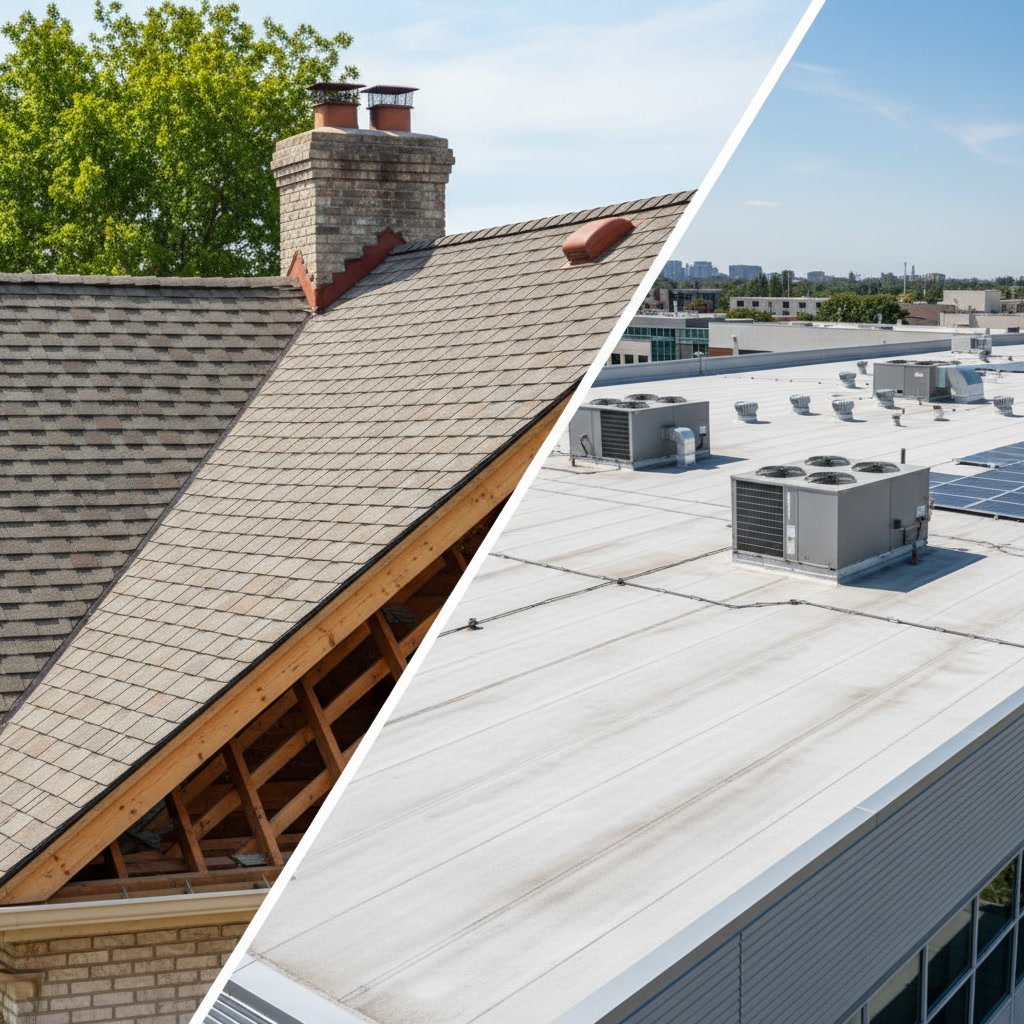
The most obvious residential commercial roofing differences start with design and structure. Residential roofs typically feature steep slopes, ranging from 4:12 to 12:12 pitch ratios. These sloped designs allow water and debris to drain quickly, protecting the structure beneath.
Commercial roofs usually have low slopes or flat surfaces, with pitch ratios between 1:12 and 2:12. Some commercial buildings use completely flat roofs with minimal pitch. This design maximizes interior space and accommodates HVAC equipment, satellite dishes, and other mechanical systems that businesses need on their rooftops.
The structural load requirements differ significantly. Commercial roofs must support heavy equipment weighing hundreds or thousands of pounds. A standard residential roof only needs to handle occasional foot traffic during inspections and repairs.
Size and Scale Considerations
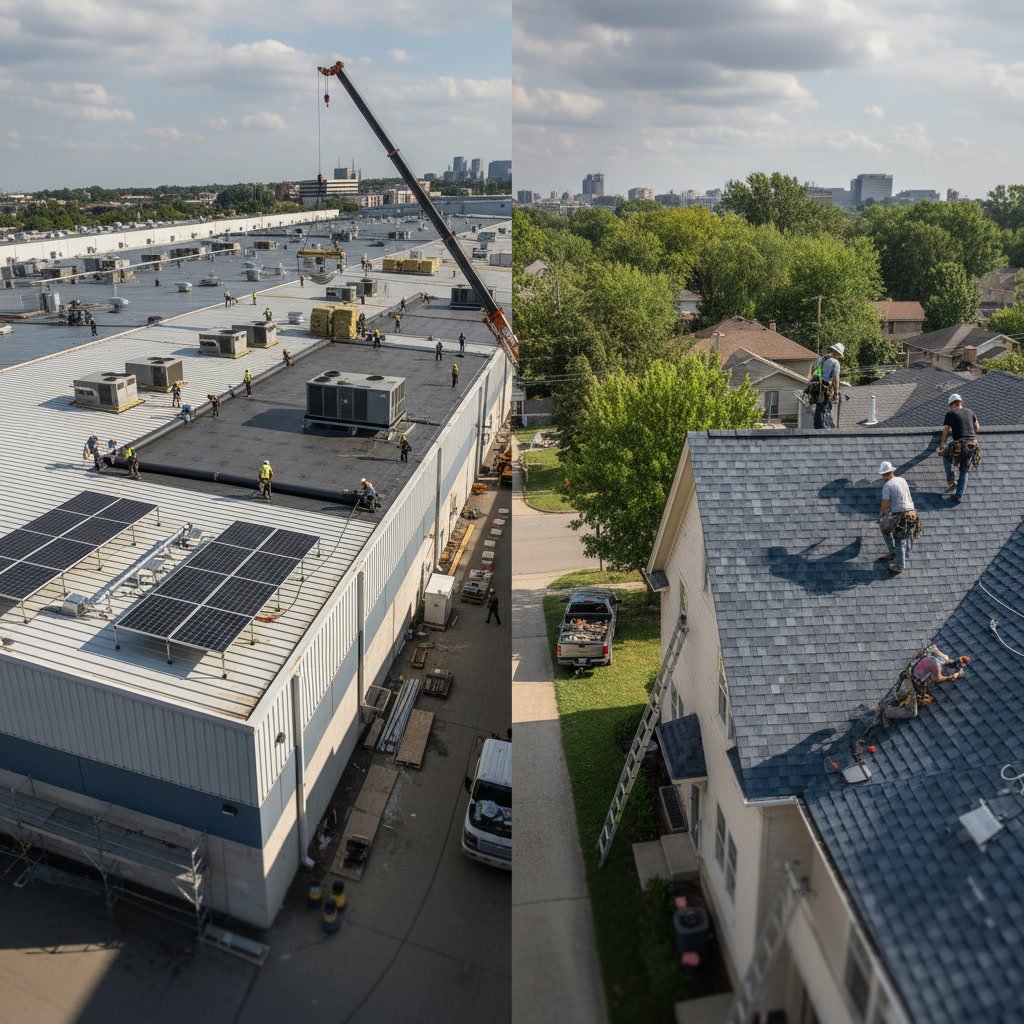
Commercial roofing projects cover substantially more square footage than residential jobs. A typical home roof in Bloomingdale ranges from 1,500 to 3,000 square feet. Commercial buildings often exceed 10,000 square feet, with some warehouse and retail spaces covering 50,000 square feet or more.
This size difference affects project duration, crew size, and material delivery logistics. A residential and commercial contractor must have the equipment and workforce to handle both scales efficiently.
Material Choices and Applications
Material selection represents another major area where residential commercial roofing differences become apparent. Residential properties commonly use asphalt shingles, clay tiles, concrete tiles, or metal panels. These materials work well on sloped surfaces and provide aesthetic variety that enhances curb appeal.
Commercial buildings typically require different materials suited to low-slope or flat applications. Popular commercial roofing materials include built-up roofing (BUR), modified bitumen, EPDM rubber, TPO membranes, and PVC systems. These materials create watertight seals across large, flat expanses.
Some commercial properties use metal roofing systems, particularly standing seam designs that shed water effectively even on low slopes. When commercial buildings do feature pitched roofs, they might use tile roofing similar to residential applications, though installation details differ due to structural requirements.
Durability and Lifespan Expectations
Commercial roofing materials generally offer longer lifespans than residential options. EPDM and TPO membranes last 20 to 30 years with proper maintenance. Built-up roofing systems can exceed 30 years. Modified bitumen typically provides 15 to 20 years of service.
Residential asphalt shingles last 15 to 25 years depending on quality and climate conditions. Clay and concrete tiles extend this to 50 years or more, while metal roofing can last 40 to 70 years. The Florida climate, with intense sun and frequent storms affecting areas from Tampa to Fish Hawk, influences these timelines for both property types.
Pro Tip: Commercial roofs face greater thermal stress due to larger surface areas absorbing heat. Reflective coatings or light-colored membranes reduce cooling costs and extend roof life in Florida’s climate.
Installation Methods and Complexity
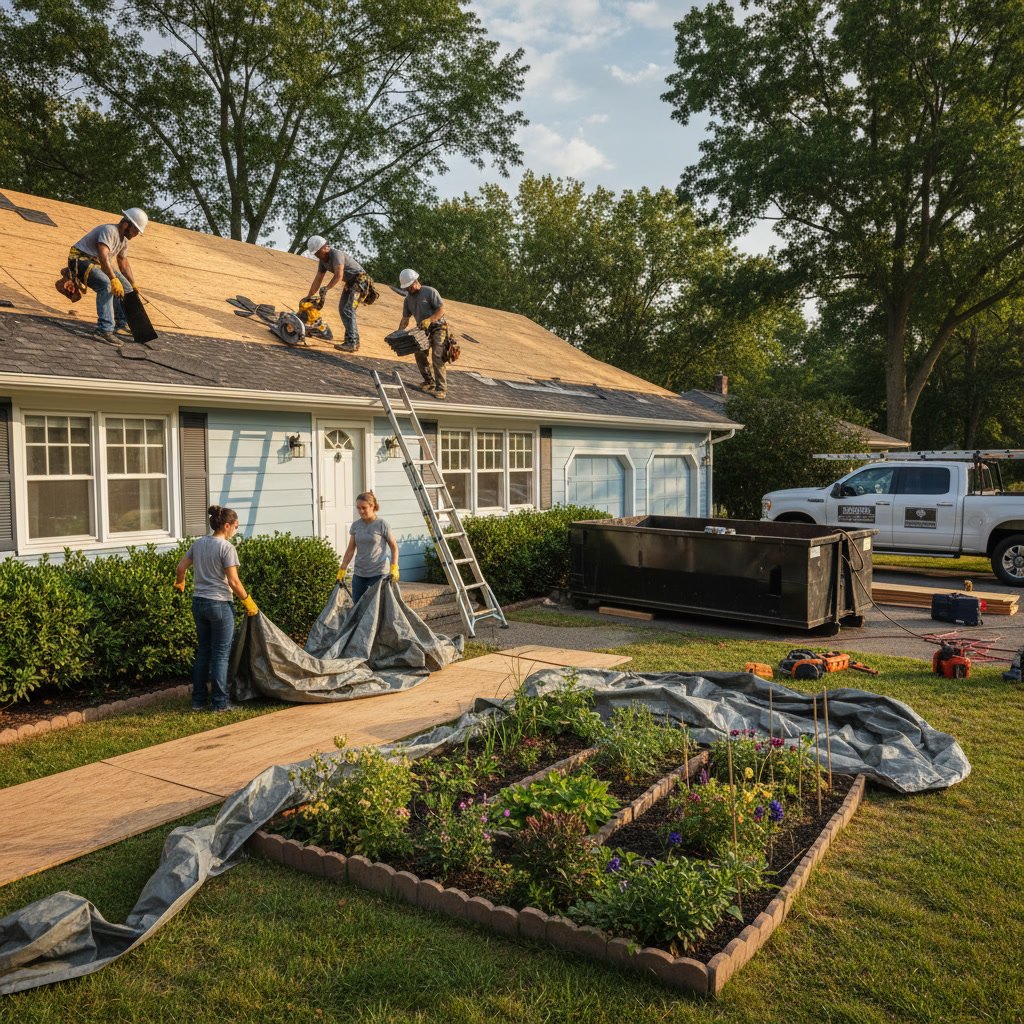
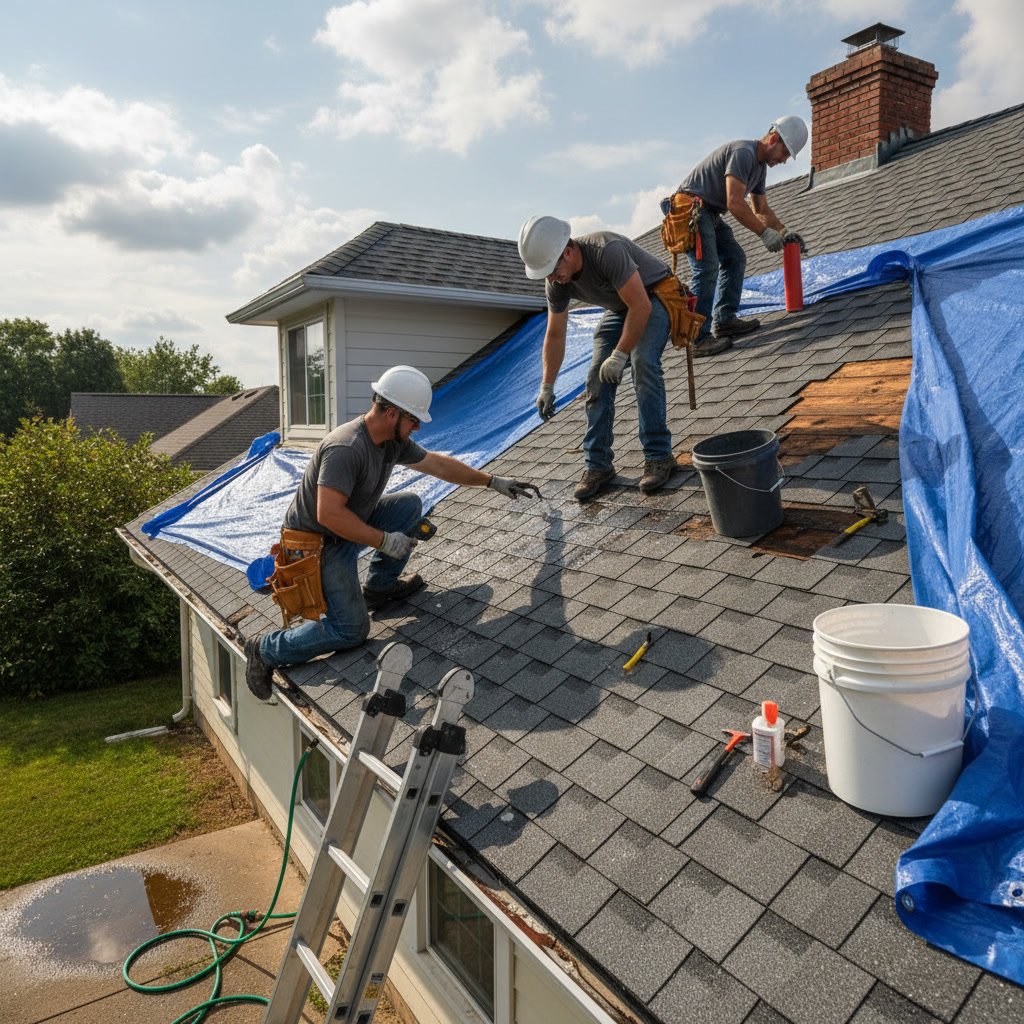
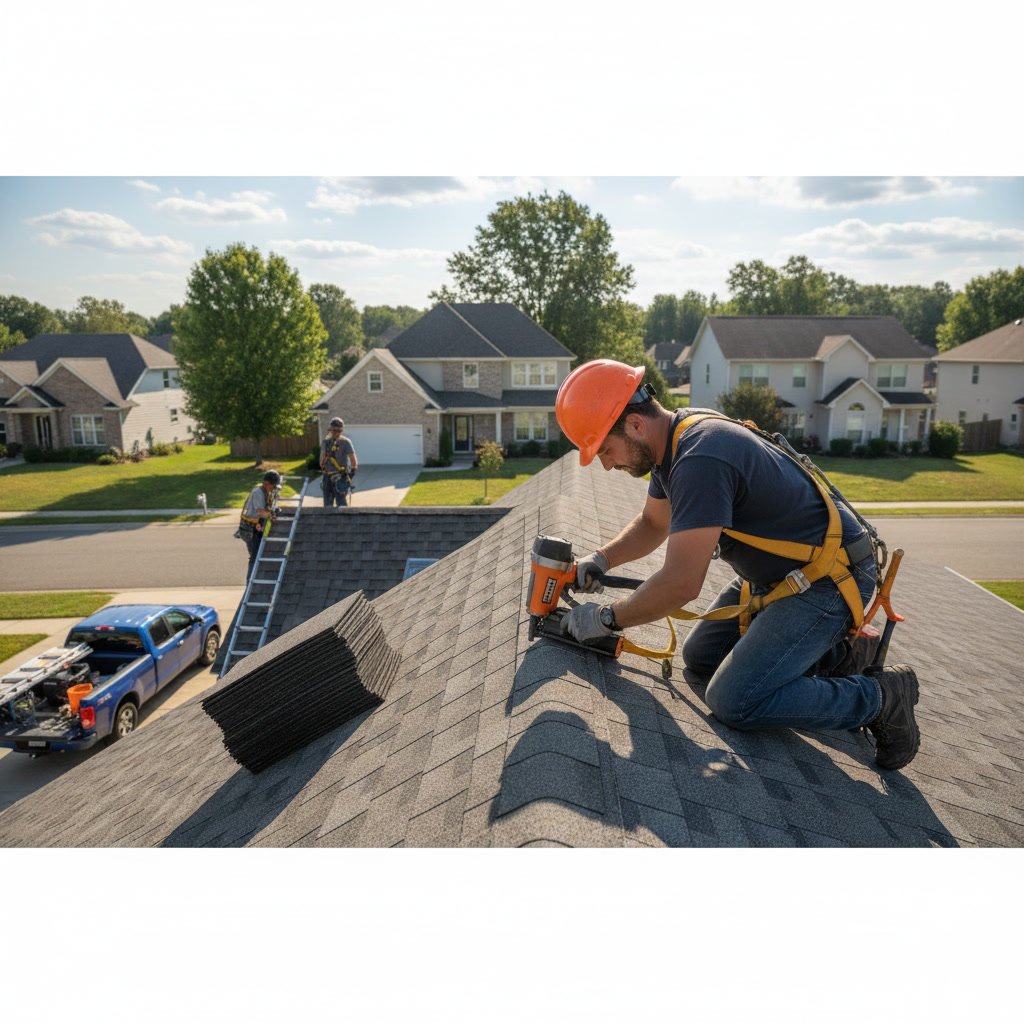
Installation processes highlight critical residential commercial roofing differences. Residential roof installation typically takes one to five days, depending on size and complexity. Crews remove old materials, install underlayment, and attach shingles or tiles in overlapping patterns that shed water downward.
Commercial roof installation requires different techniques and often longer timelines. Flat roofing systems use adhesives, heat welding, or mechanical fastening to secure large membrane sheets. Seams must be carefully sealed to prevent water intrusion, since flat surfaces don’t naturally channel water away like sloped roofs.
Commercial projects also involve more complex waterproofing around penetrations. Rooftop HVAC units, exhaust vents, skylights, and access hatches all require custom flashing and sealing details that residential roofs rarely encounter.
Equipment and Safety Requirements
Commercial roofing demands specialized equipment that residential projects don’t require. Large hot-air welders seal TPO and PVC seams. Tanker trucks deliver liquid-applied coatings. Cranes lift heavy materials and equipment to rooftops.
Safety protocols become more complex on commercial sites. OSHA regulations require fall protection systems, guardrails, and safety monitors on commercial projects. While residential contractors follow safety standards, the scale and duration of commercial work necessitate more extensive safety infrastructure.
Building Codes and Permitting
Building codes apply to both residential and commercial roofing, but commercial projects face stricter requirements. Commercial buildings must meet International Building Code (IBC) standards, which mandate higher wind uplift ratings, fire resistance classifications, and structural load capacities than residential codes.
Permitting processes differ as well. Residential roof replacement permits in Hillsborough County typically process within days. Commercial permits require engineered drawings, structural calculations, and energy compliance documentation. Review periods extend to weeks or months for complex commercial projects.
Fire rating requirements also distinguish commercial from residential work. Many commercial buildings require Class A fire-rated roofing assemblies, especially in high-density areas. Residential codes allow more flexibility, though insurance companies increasingly prefer Class A ratings for homes as well.
Maintenance Schedules and Requirements
Understanding residential commercial roofing differences in maintenance helps property owners budget appropriately. Commercial roofs require more frequent professional inspections, typically twice yearly or quarterly. The equipment mounted on commercial roofs increases maintenance demands, since HVAC technicians and other trades access the roof regularly.
Commercial property managers should schedule roof inspections after major storms and implement preventive maintenance programs. These programs include cleaning drains and gutters, checking membrane seams, inspecting flashing, and addressing minor issues before they become costly problems.
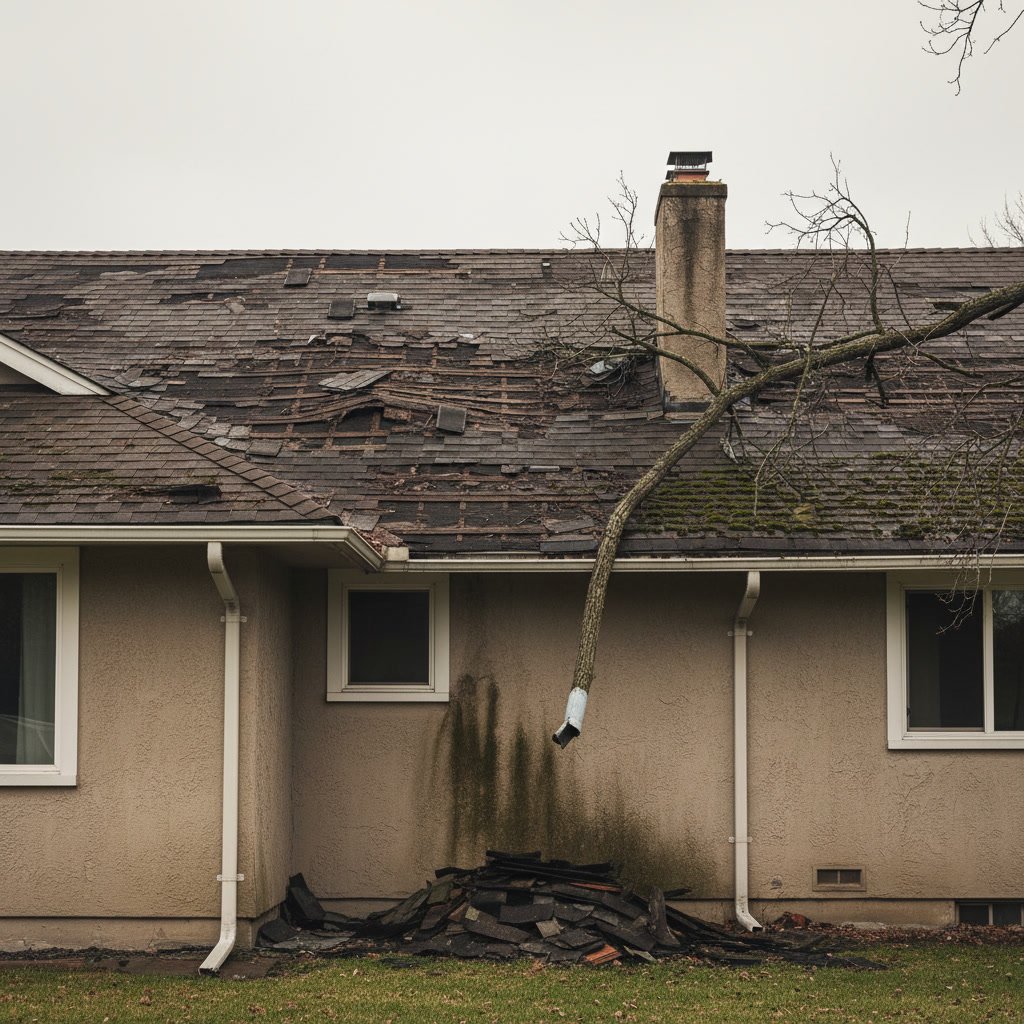
Residential roofs benefit from annual inspections but don’t face the same traffic and equipment stress. Homeowners should check for damaged shingles, clean gutters seasonally, and address roof leak repair needs promptly. The maintenance burden remains lighter than commercial requirements.
Drainage System Differences
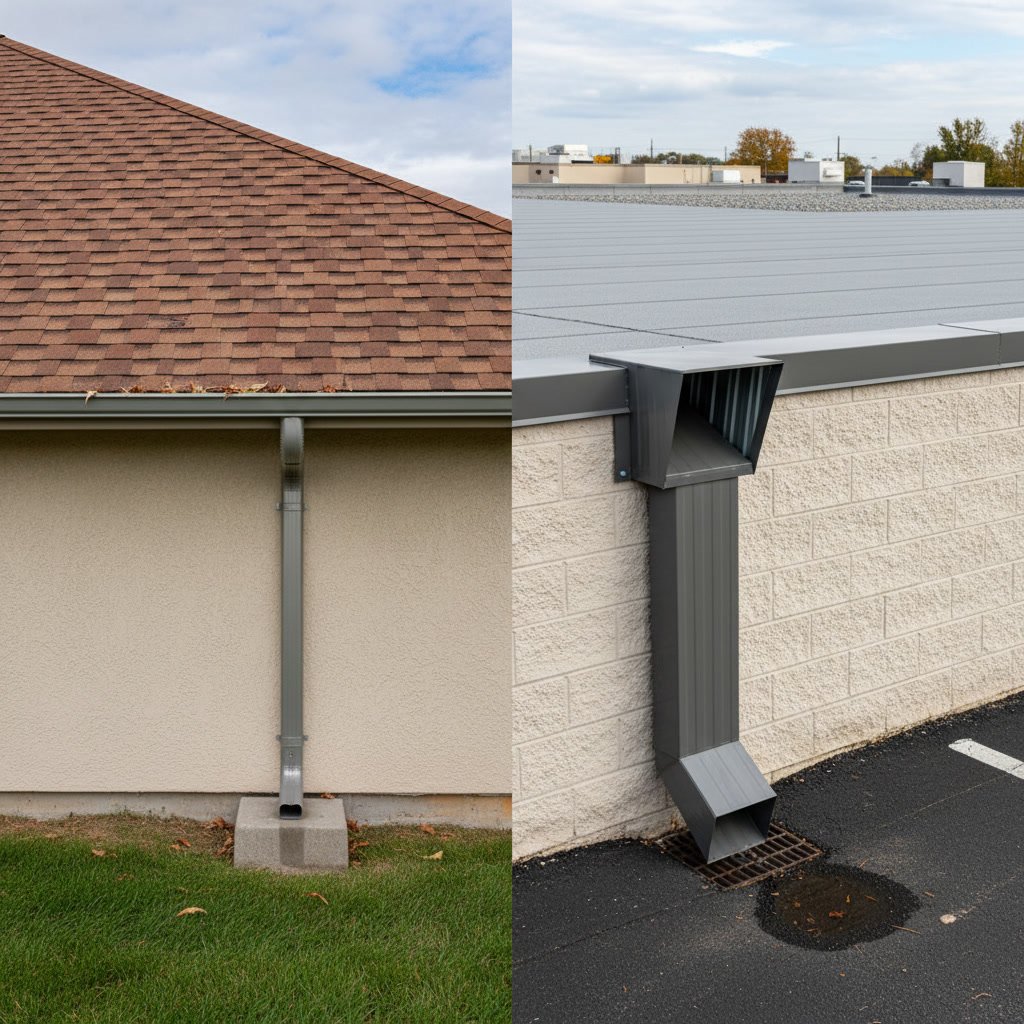
Drainage represents a critical maintenance consideration. Residential sloped roofs use gutters and downspouts to channel water away from the structure. These systems require periodic cleaning but function passively through gravity.
Commercial flat roofs rely on internal drains, scuppers, or parapet walls with overflow provisions. These systems must remain clear of debris to prevent ponding water, which degrades roofing membranes and can lead to structural damage. Some commercial buildings use sump pumps or active drainage systems that require regular testing and maintenance.
Cost Factors and Budget Planning
Cost structures differ significantly between residential and commercial roofing projects. Residential roofing costs typically range from $3.50 to $12 per square foot installed, depending on materials. A complete roof replacement on a 2,000-square-foot home might cost $7,000 to $24,000.
Commercial roofing costs vary more widely based on system type, building access, and project complexity. Expect $4 to $15 per square foot for commercial installations. However, mobilization costs, equipment rental, and extended project timelines add expenses that residential projects don’t incur. For detailed pricing information on residential projects, our guide on roof replacement costs in Brandon FL provides local market context.
Commercial projects often require performance bonds, general liability insurance with higher limits, and workers compensation coverage that residential contractors may not carry. These business costs factor into project pricing.
Key Takeaway: Commercial roofing quotes should include warranty details covering both materials and workmanship. Commercial warranties typically extend 10 to 30 years, while residential warranties range from 10 to 50 years depending on materials chosen.
Contractor Qualifications and Licensing
Contractor selection represents one of the most important residential commercial roofing differences. While Florida requires all roofing contractors to hold state licenses, commercial work demands additional expertise and certifications.
Commercial roofing contractors should hold manufacturer certifications for the specific systems they install. GAF, Carlisle, Firestone, and other manufacturers offer training programs that certify contractors to install their products correctly. These certifications often unlock extended warranty options for property owners.
Commercial contractors also need larger bonding capacities and insurance coverage than residential specialists. Projects exceeding $500,000 may require payment and performance bonds protecting the property owner’s investment.
Quick Quote Roofing maintains the credentials, insurance, and experience necessary for both residential and commercial projects throughout Valrico, Riverview, and surrounding communities. Licensed under CCC1332836, the company handles projects ranging from single-family homes to large commercial facilities.
When to Choose Specialized Contractors
Some contractors specialize exclusively in residential or commercial work. Others, like Quick Quote Roofing, handle both property types. Understanding when to seek specialized expertise helps ensure project success.
Complex commercial systems like spray polyurethane foam, vegetative roofs, or specialized membrane applications benefit from contractors with specific training and experience. Similarly, historical home restorations or custom residential tile work may require specialized residential expertise.
For standard commercial membrane systems or residential shingle and tile roofs, a qualified roofing contractor with diverse experience often provides better value and flexibility. These contractors understand both residential commercial roofing differences and can apply best practices from each sector.
Insurance and Warranty Considerations
Insurance coverage differs between residential and commercial properties. Commercial property insurance policies typically require documentation of regular roof maintenance. Failure to maintain inspection schedules can void coverage when claims arise.
Residential insurance claims often focus on storm damage and sudden events rather than maintenance history. However, insurers increasingly deny claims when roofs exceed their expected lifespan or show deferred maintenance. Our article on signs your roof needs replacement helps homeowners recognize when repair is no longer appropriate.
Warranty structures also differ. Commercial roofing warranties often include annual inspections as a condition of coverage. Material manufacturers may void warranties if contractors without proper certifications perform installations. Residential warranties typically impose fewer ongoing requirements but still require proper installation by licensed contractors.
Climate and Environmental Factors
Florida’s climate creates unique challenges for both residential and commercial roofs. Hurricane-force winds, intense UV exposure, heavy rainfall, and high humidity affect all roofing systems. However, the impact differs based on design and materials.
Commercial flat roofs face greater wind uplift forces across their large surface areas. Proper attachment and wind ratings become critical in coastal areas. Reflective coatings help commercial roofs combat heat absorption that can reach extreme levels on dark membranes covering thousands of square feet.
Residential sloped roofs shed water more effectively but face wind-driven rain and shingle blow-off during storms. Impact-resistant materials and proper fastening patterns protect homes in high-wind zones. For commercial property owners researching material options, our guide to flat roofing materials for commercial buildings covers climate-appropriate choices for the Tampa Bay region.
Frequently Asked Questions
Can the same contractor handle both residential and commercial roofing?
Yes, many qualified contractors work on both property types. The key is verifying they hold appropriate licenses, insurance coverage, and manufacturer certifications for your specific project. Check their portfolio for similar projects and confirm they have experience with your building type and roofing system.
How long do commercial roofs last compared to residential roofs?
Commercial membrane systems typically last 20 to 30 years with proper maintenance. Residential asphalt shingles last 15 to 25 years, while tile and metal roofs can exceed 50 years. Actual lifespan depends on material quality, installation workmanship, maintenance frequency, and climate conditions. Florida’s harsh sun and storms can reduce these timelines if roofs aren’t properly maintained.
Do commercial roofs cost more per square foot than residential roofs?
Not necessarily. Commercial roofing materials often cost less per square foot than premium residential options like tile or architectural shingles. However, commercial projects include additional costs for equipment, safety systems, and longer installation timelines. The total project cost per square foot varies based on building complexity, access difficulty, and system specifications.
What happens if I use a residential contractor for commercial work?
Using an improperly qualified contractor risks code violations, voided warranties, insurance coverage issues, and premature system failure. Commercial buildings require contractors who understand flat roof drainage, membrane installation techniques, and commercial building codes. Always verify licensing, bonding, and manufacturer certifications before hiring any contractor.
Are maintenance requirements really different for commercial roofs?
Yes, commercial roofs require more frequent professional inspections and maintenance due to equipment loads, foot traffic, and drainage complexity. Most commercial properties need biannual inspections and proactive maintenance programs. Residential roofs benefit from annual inspections but face fewer maintenance demands between major repairs or replacement.
Making the Right Choice for Your Property
The residential commercial roofing differences outlined here affect every aspect of your roofing project from design and materials to installation and long-term maintenance. Residential roofs prioritize aesthetics, slope-based water shedding, and straightforward installation. Commercial roofs emphasize durability, equipment accommodation, and waterproofing across large flat surfaces.
Both property types require qualified contractors who understand building codes, proper installation techniques, and climate-specific challenges. Whether you need service in Seffner, Lithia, Dover, Mango, or anywhere in the greater Tampa area, choosing a contractor with relevant experience protects your investment.
Quick Quote Roofing provides expert roofing services for both residential and commercial properties throughout the Brandon area. Our team holds the licenses, certifications, and insurance coverage necessary for projects of any scale. We accept insurance claims and provide competitive pricing backed by quality materials and trained professionals. Call +18135647603 to schedule an inspection and receive a detailed quote for your roofing project.