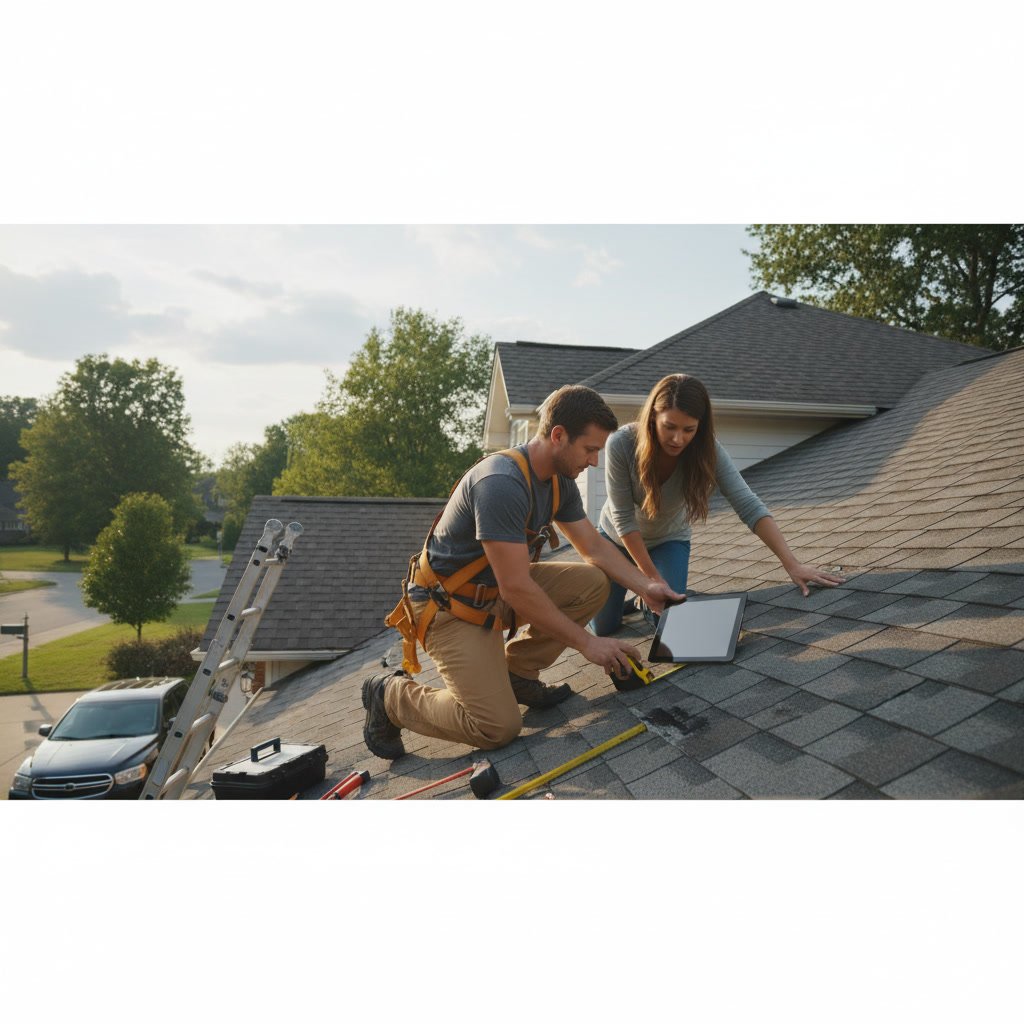
Your commercial building’s flat roof faces intense UV radiation, torrential rainstorms, and humidity that never quits. The wrong material choice leads to premature failure, water damage, and expensive emergency repairs. The right flat roofing Tampa material protects your investment, reduces energy costs, and lasts decades without major issues.
This guide breaks down the four most popular commercial flat roofing materials used across Tampa, Brandon, Valrico, and surrounding areas. You’ll learn which materials handle Florida’s climate best, what each option costs, and how to match the right system to your building’s specific needs.
Why Flat Roofing Material Selection Matters in Tampa
Tampa’s subtropical climate puts unique stress on commercial roofs. Summer temperatures routinely exceed 90 degrees, creating thermal expansion and contraction cycles that weaken inferior materials. Annual rainfall averages 46 inches, with intense afternoon thunderstorms dumping water faster than poorly designed drainage systems can handle.
UV exposure in Florida ranks among the highest in the continental United States. This constant bombardment breaks down roofing membranes that lack proper UV stabilizers. Add high humidity levels that promote mold and algae growth, and you understand why not every roofing material survives in Tampa.
The flat roofing Tampa material you choose directly impacts three critical factors. First, lifespan varies dramatically, from 10 years for basic systems to 30-plus years for premium options. Second, energy efficiency differences can save or cost you thousands annually in cooling expenses. Third, maintenance requirements and repair costs vary substantially between material types.
Pro Tip: Florida’s building codes require commercial roofs to withstand wind speeds up to 140 mph in certain areas. Always verify your chosen material meets local wind uplift requirements for your specific Tampa location.
TPO Roofing: The Energy Efficient Standard
Thermoplastic Polyolefin, commonly called TPO, dominates the commercial flat roofing market in Tampa for good reason. This single-ply membrane combines affordability with excellent heat reflection, making it ideal for Florida’s intense sun exposure.
How TPO Performs in Tampa’s Climate
TPO’s white or light gray surface reflects up to 87% of solar radiation, significantly reducing cooling loads in commercial buildings. This reflectivity translates to measurable energy savings, with some Tampa building owners reporting 20-30% reductions in summer cooling costs after TPO installation.
The material resists UV degradation better than many alternatives, maintaining its reflective properties for 15 to 20 years under normal conditions. TPO also handles thermal movement well, expanding and contracting with temperature changes without cracking or splitting.
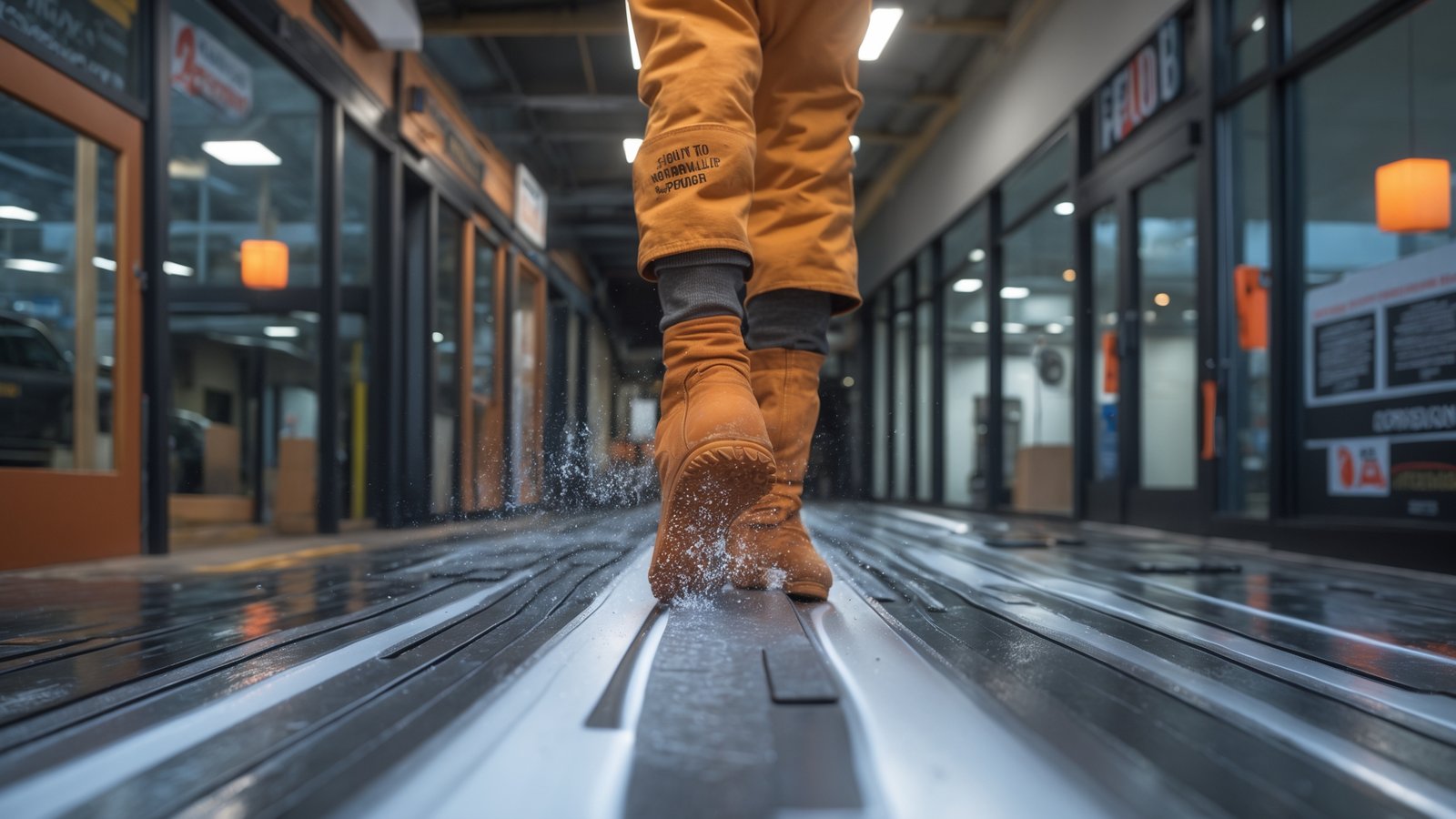
Heat-welded seams create watertight bonds stronger than the membrane itself. This installation method eliminates the adhesive failures common with glued or taped seams, providing superior protection against Tampa’s heavy rainfall and standing water.
TPO Cost and Longevity Expectations
Installation costs for TPO typically range from $4.50 to $7.50 per square foot for commercial applications in the Tampa area. Material thickness affects both price and lifespan, with 60-mil membranes offering better durability than standard 45-mil options.
Expected service life ranges from 15 to 25 years depending on installation quality, membrane thickness, and maintenance practices. Regular inspections and minor repairs extend TPO roof life significantly beyond minimum expectations.
EPDM: The Proven Rubber Solution
Ethylene Propylene Diene Monomer rubber roofing, known as EPDM, has protected commercial buildings for over 50 years. This black synthetic rubber membrane offers proven durability and straightforward installation at competitive prices.
EPDM excels in Tampa’s climate due to its exceptional resistance to ozone, UV radiation, and thermal cycling. The material remains flexible across a wide temperature range, from extreme heat to the occasional cold snap that reaches Brandon and Riverview.
Understanding EPDM’s Strengths and Limitations
The material’s primary advantage lies in its proven track record. EPDM roofs installed in the 1970s continue performing today with proper maintenance, demonstrating remarkable longevity for a synthetic product.
Installation simplicity reduces labor costs and project timelines. Contractors can mechanically attach, fully adhere, or ballast EPDM membranes depending on building structure and local wind requirements. This flexibility makes EPDM suitable for various commercial building types across Tampa.
The black color that makes EPDM UV-resistant also absorbs heat, increasing cooling loads compared to reflective white membranes. This heat absorption can add 10-15% to summer cooling costs in Tampa’s climate, though white EPDM options partially address this concern at higher material costs.
Key Takeaway: EPDM performs exceptionally well in Tampa’s environment but requires consideration of energy costs. Buildings with significant shade coverage or excellent insulation benefit most from EPDM’s durability and lower installation costs.
EPDM Pricing and Expected Performance
Commercial EPDM installation costs range from $4.00 to $6.50 per square foot in the Tampa market. The lower end of this range makes EPDM one of the most budget-friendly commercial flat roofing options available.
Service life typically extends 20 to 30 years with proper installation and regular maintenance. Seam integrity matters significantly, as tape-applied seams require more frequent inspection and occasional resealing compared to heat-welded alternatives.
PVC Roofing: Premium Protection with Chemical Resistance
Polyvinyl Chloride roofing represents the premium tier of single-ply membranes for flat roofing Tampa applications. PVC offers superior chemical resistance, extreme durability, and excellent long-term performance that justifies higher upfront costs.
This material particularly suits commercial buildings in Tampa, Brandon, and surrounding areas where rooftop equipment, HVAC systems, or industrial processes might expose the roof to oils, greases, or chemical vapors. PVC resists degradation from these substances far better than TPO or EPDM.
PVC’s Performance Advantages
Like TPO, PVC membranes feature white or light-colored surfaces that reflect solar radiation and reduce cooling loads. The material maintains its reflectivity throughout its service life, continuing to provide energy savings year after year.
Heat-welded seams create permanent bonds that resist water infiltration even under extreme conditions. PVC seams actually strengthen over time, unlike mechanical fasteners or adhesive bonds that can weaken with age and thermal cycling.
Fire resistance rates among the highest of all single-ply membranes, meeting stringent building code requirements without additional fire-retardant treatments. This built-in fire resistance provides added security for commercial building owners and reduces insurance costs in some cases.
Investment Costs for PVC Systems
PVC installation costs range from $6.50 to $10.00 per square foot for commercial applications. The higher price reflects superior material properties, longer expected service life, and increased labor requirements for proper heat welding.
Expected service life extends 25 to 35 years under normal conditions, making PVC one of the longest-lasting single-ply options available. When factored over the roof’s lifetime, the cost per year often compares favorably to less expensive materials requiring earlier replacement.
Modified Bitumen: Built-Up Performance in Fewer Layers
Modified bitumen combines traditional asphalt roofing technology with modern polymer modifiers, creating a durable multi-layer system suitable for commercial flat roofing applications. This material offers excellent waterproofing and proven performance in Tampa’s challenging climate.
The system typically consists of a base sheet, one or more ply sheets, and a cap sheet with granulated or smooth surface. This multi-layer approach provides redundancy that single-ply systems lack, offering multiple barriers against water infiltration.
Modified Bitumen Types and Applications
Two polymer types modify the asphalt base. APP (Atactic Polypropylene) modified bitumen uses heat during installation, torch-applying or hot-mopping layers together. SBS (Styrene-Butadiene-Styrene) modified bitumen remains flexible at lower temperatures and can be cold-applied with adhesives or heat-welded.
For Tampa applications, SBS-modified systems often perform better due to superior flexibility across temperature ranges. The material expands and contracts with thermal cycling without developing the cracks or splits that can occur with more rigid systems.
Granulated cap sheets provide UV protection and extended service life, while smooth surfaces facilitate easier cleaning and maintenance. Building owners in Bloomingdale, Seffner, and Lithia often choose granulated surfaces for maximum durability despite higher material costs.
Cost Considerations for Modified Bitumen
Installation costs range from $5.00 to $8.50 per square foot depending on the number of plies, application method, and surface type selected. Multi-ply systems with premium cap sheets fall at the higher end of this range.
Service life expectancy runs 15 to 25 years with proper installation and regular maintenance. The multi-layer construction allows for easier repairs than single-ply systems, as damaged areas can often be patched without full membrane replacement.
Comparing Durability Factors for Tampa Commercial Roofs
Wind resistance varies significantly among flat roofing materials and attachment methods. Mechanically fastened systems with proper fastener density resist wind uplift better than fully adhered systems in many cases, though adhesive technology continues improving.
Standing water tolerance differs between materials. While no flat roof should retain water for more than 48 hours, some materials tolerate occasional ponding better than others. PVC and EPDM handle standing water exceptionally well, while TPO performance varies by manufacturer and membrane quality.
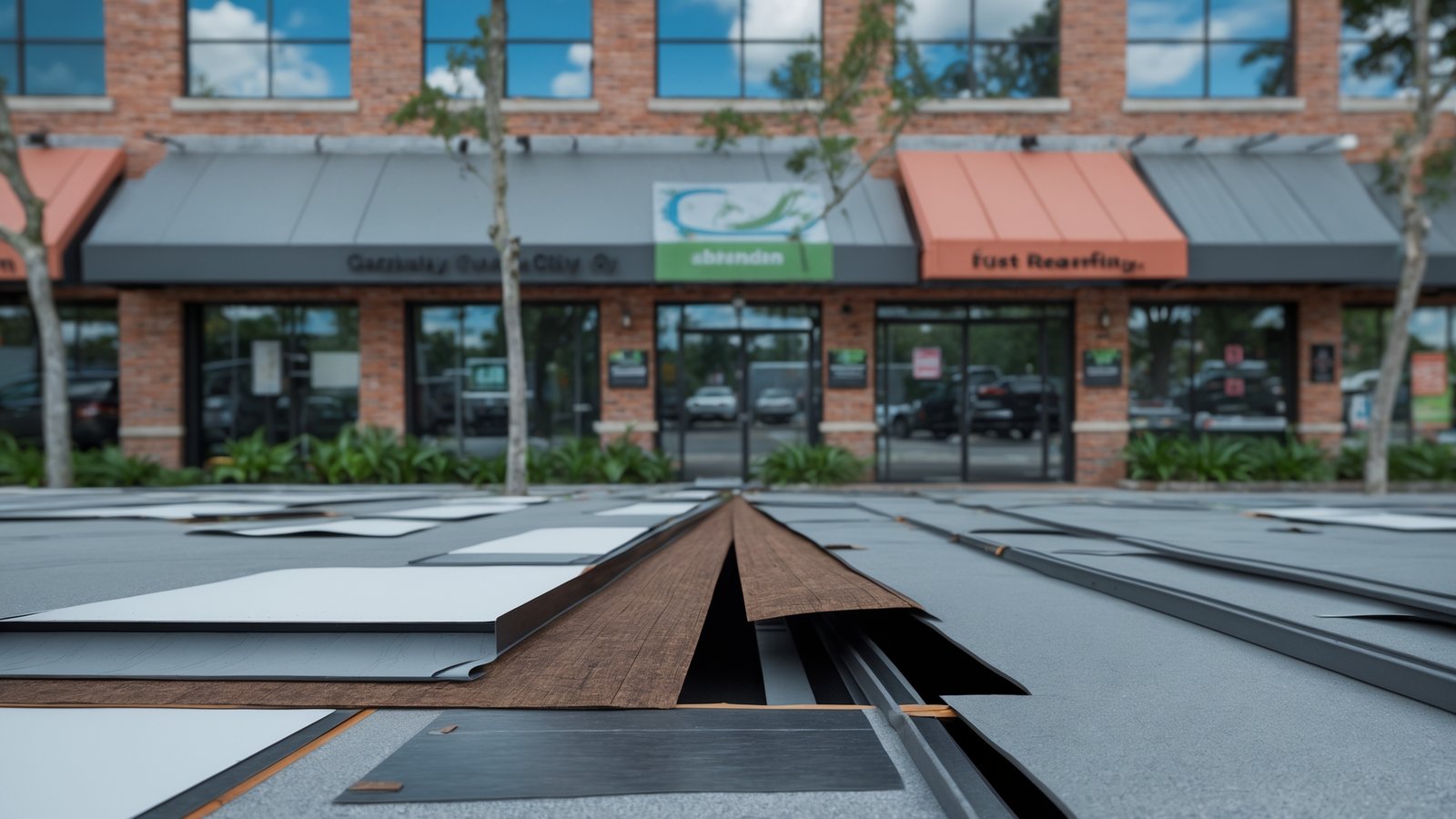
Puncture resistance matters for commercial roofs with regular foot traffic or rooftop equipment. Modified bitumen’s multi-layer construction provides superior puncture resistance compared to single-ply membranes. Among single-ply options, thicker membranes (60-mil or 80-mil) resist damage better than standard 45-mil products.
Maintenance Requirements by Material Type
TPO requires minimal maintenance beyond semi-annual inspections and debris removal. Check seams annually for separation, particularly around penetrations and roof edges where stress concentrates. Clean the surface every few years to maintain reflectivity and prevent dirt buildup.
EPDM demands more attention to seam integrity. Tape-applied seams may require resealing every 5 to 10 years depending on exposure conditions. Inspect for shrinkage around roof perimeter, as EPDM can pull away from edges if not properly detailed during installation.
PVC maintenance mirrors TPO requirements, with the advantage of stronger seams requiring less frequent inspection. The material’s chemical resistance means less degradation from environmental contaminants, reducing long-term maintenance costs.
Modified bitumen benefits from regular surface inspections for granule loss, cracking, or blistering. Address minor issues promptly to prevent water infiltration into lower plies. The multi-layer construction makes repair straightforward when caught early.
Energy Efficiency and Cost Savings
Reflective roofing materials qualify for Energy Star certification when they meet specific solar reflectance and thermal emittance values. White TPO and PVC membranes typically exceed these thresholds, qualifying commercial building owners for potential utility rebates and tax incentives.
Tampa Electric and Duke Energy periodically offer commercial rebate programs for cool roof installations. These programs can offset 10-20% of installation costs for qualifying projects, improving return on investment for energy-efficient roofing choices.
Cooling cost reductions vary by building type, insulation levels, and HVAC efficiency. Single-story commercial buildings with minimal insulation see the greatest benefit from reflective roofing, sometimes reducing cooling costs by 25-35% compared to dark, absorptive surfaces.
Pro Tip: Combine reflective roofing with proper attic ventilation and adequate insulation for maximum energy savings. The roof surface alone cannot overcome poor building envelope performance in Tampa’s climate.
Making the Right Material Choice for Your Building
Building use significantly influences material selection. Restaurants with grease-producing exhaust systems benefit from PVC’s chemical resistance. Warehouses prioritizing budget over energy efficiency often choose EPDM. Office buildings seeking long-term value typically select TPO or PVC.
Budget constraints matter, but focus on lifetime costs rather than initial installation expense. A cheaper roof requiring replacement in 12 years costs more over 30 years than a premium system lasting three decades. Calculate cost per year of service life for accurate comparisons.
Roof access requirements affect material choice. Buildings with regular rooftop maintenance activities need puncture-resistant materials like modified bitumen or thicker single-ply membranes. Rarely accessed roofs can use standard membrane thicknesses without concern.
Local building codes and insurance requirements sometimes mandate specific materials or installation methods. Verify your chosen system meets all applicable codes for your Fish Hawk, Dover, or Mango location before finalizing decisions.
Installation Quality Matters More Than Material Selection
The best flat roofing material performs poorly when installed incorrectly. Improper seam welding, inadequate fastener density, or poorly detailed penetrations cause premature failures regardless of membrane quality.
Contractor selection ranks as important as material choice. Verify licensing, insurance coverage, and manufacturer certifications before awarding contracts. Florida requires roofing contractors to hold proper licensing, including the CCC certification for commercial projects.
Manufacturer warranties often require certified installers to remain valid. Using uncertified contractors voids material warranties, leaving building owners without recourse if premature failures occur. Always confirm installer certification matches your chosen material system.
Quality control during installation prevents future problems. Reputable contractors conduct seam testing, verify proper adhesion, and document installation details. This documentation proves invaluable for warranty claims and future maintenance planning.
Frequently Asked Questions
How long does flat roofing last in Tampa’s climate?
Service life varies by material type and installation quality. EPDM and TPO typically last 15 to 25 years, while PVC extends 25 to 35 years in Tampa’s subtropical climate. Modified bitumen falls in the 15 to 25 year range depending on the number of plies and cap sheet quality. Regular maintenance and prompt repairs extend all roofing materials beyond minimum expectations.
What is the most cost-effective flat roofing material for commercial buildings?
EPDM offers the lowest installation cost at $4.00 to $6.50 per square foot, making it budget-friendly for commercial projects. However, TPO provides better long-term value when energy savings are factored over the roof’s service life. Calculate total cost of ownership including energy expenses, maintenance, and expected lifespan rather than focusing solely on installation price.
Do white roofs really save money on cooling costs in Tampa?
Yes, reflective white roofing materials measurably reduce cooling loads in Tampa’s climate. Studies show cooling cost reductions of 20-30% for poorly insulated buildings and 10-15% for well-insulated structures. Actual savings depend on building design, insulation levels, HVAC efficiency, and internal heat loads from equipment and occupancy.
Can you install flat roofing over an existing roof in Florida?
Florida building code allows one roof recover in most jurisdictions, meaning you can install new roofing over one existing layer. However, this approach only makes sense when the existing roof deck remains sound and properly sloped for drainage. Multiple layers add weight, trap moisture, and complicate future repairs. A complete tear-off often provides better long-term value despite higher upfront costs.
How often should commercial flat roofs be inspected in Tampa?
Schedule professional inspections twice annually, ideally in spring before hurricane season and fall after summer storms pass. Additional inspections after severe weather events help identify and address damage before minor issues become major problems. Regular maintenance inspections extend roof life significantly and preserve manufacturer warranty coverage.
Protecting Your Commercial Investment
Selecting the right flat roofing Tampa material protects your commercial building from Florida’s harsh climate while controlling energy costs and maintenance expenses. TPO offers excellent value for energy-conscious building owners, EPDM provides proven durability at competitive prices, PVC delivers premium performance for demanding applications, and modified bitumen combines traditional reliability with modern materials.
Material selection represents just one factor in successful commercial roofing. Installation quality, regular maintenance, and prompt repairs determine whether your roof reaches or exceeds its expected service life. Working with properly licensed contractors ensures code compliance and warranty protection for your investment.
Quick Quote Roofing provides expert flat roofing installation and repair for commercial buildings throughout Brandon, Valrico, Riverview, and surrounding Tampa areas. Our trained professionals work with all major flat roofing materials and maintain manufacturer certifications for warranty-backed installations. Contact us at +18135647603 for a detailed assessment of your commercial roofing needs and a competitive quote on materials and installation.