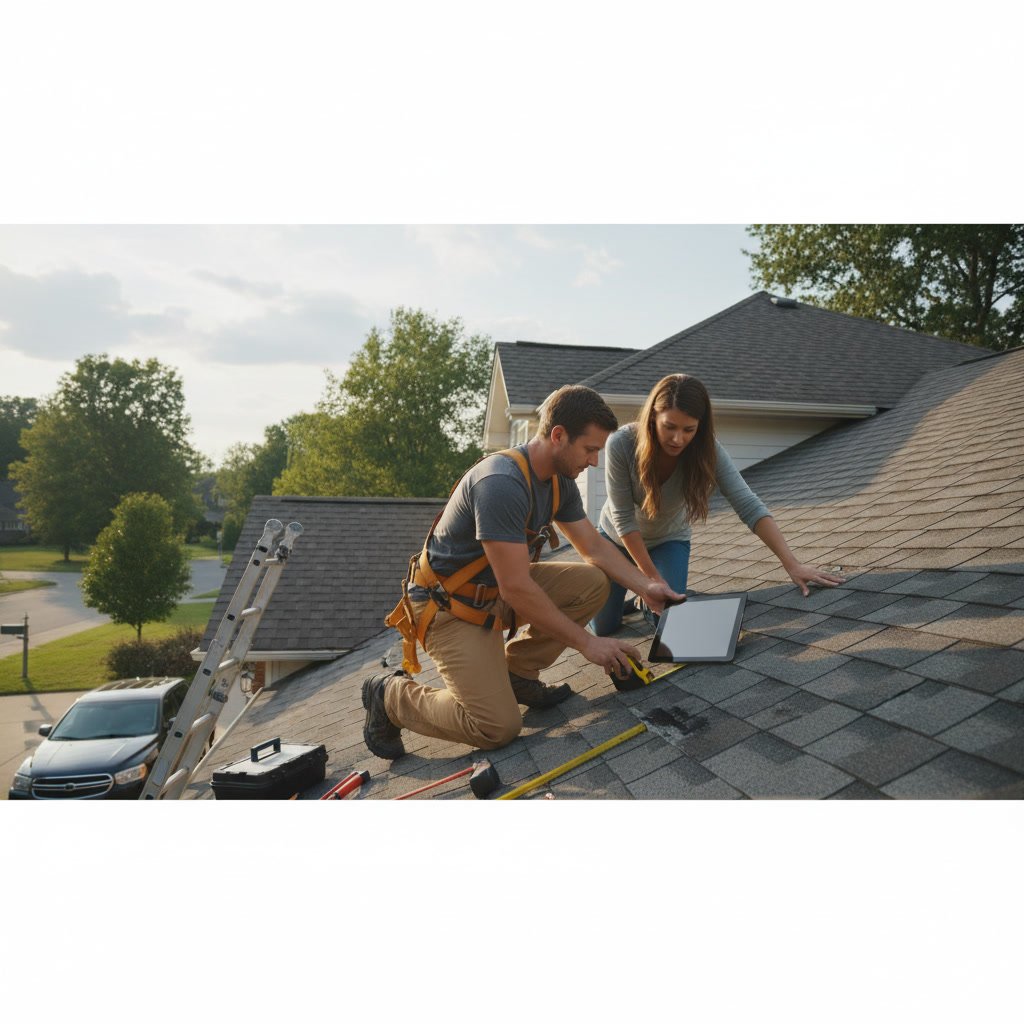
That small leak you patched last year is back. The roofer who fixed those missing shingles three months ago is on your speed dial. At some point, every homeowner in Bloomingdale faces the same question: are you maintaining your roof, or are you throwing money at a dying system? Understanding when roof replacement becomes the smarter investment can save you thousands of dollars and protect your home from serious damage.
This guide walks through the specific warning signs that indicate your roof has crossed the line from repairable to replacement-worthy. You’ll learn what roofing professionals look for during inspections, how to calculate whether repairs still make financial sense, and why some roof problems can never be truly fixed with patches.
Age Is the Most Reliable Predictor
Most asphalt shingle roofs in Florida last between 15 and 25 years, depending on material quality, ventilation, and weather exposure. If your roof is approaching or has exceeded 20 years of age, repairs become progressively less effective regardless of how minor the current issue appears.
The reason is simple: roofing materials deteriorate as a system, not just in isolated spots. When one section fails, the surrounding areas are under similar stress and will likely fail soon after. A patch on a 22-year-old roof might last six months before the next problem surfaces three feet away.
Check your home sale records or building permits to determine your roof’s installation date. If documentation isn’t available, professional roof inspections can estimate age based on material condition and installation methods.
Pro Tip: Homes in Bloomingdale, FL experience intense UV exposure and frequent storm activity that can reduce typical roof lifespans by two to five years compared to northern climates.
Widespread Shingle Damage Across Multiple Roof Sections
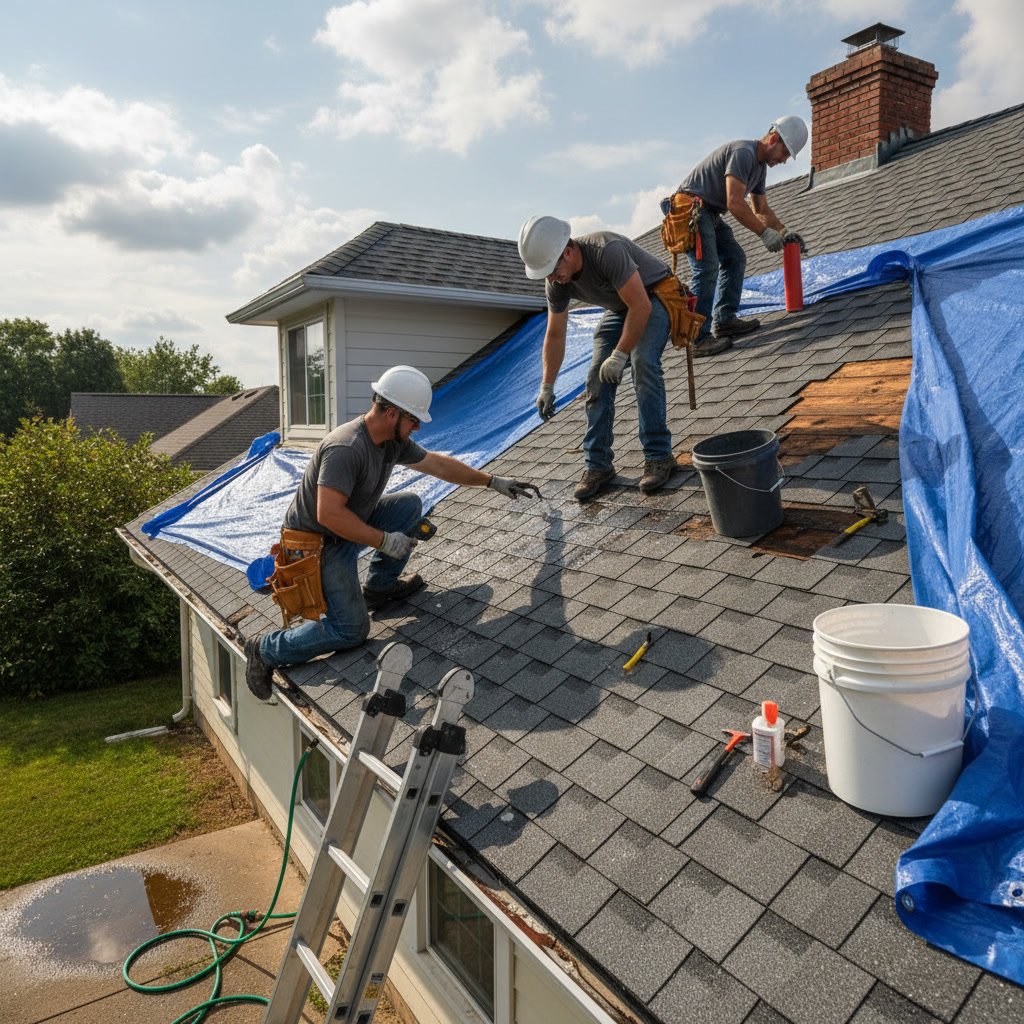
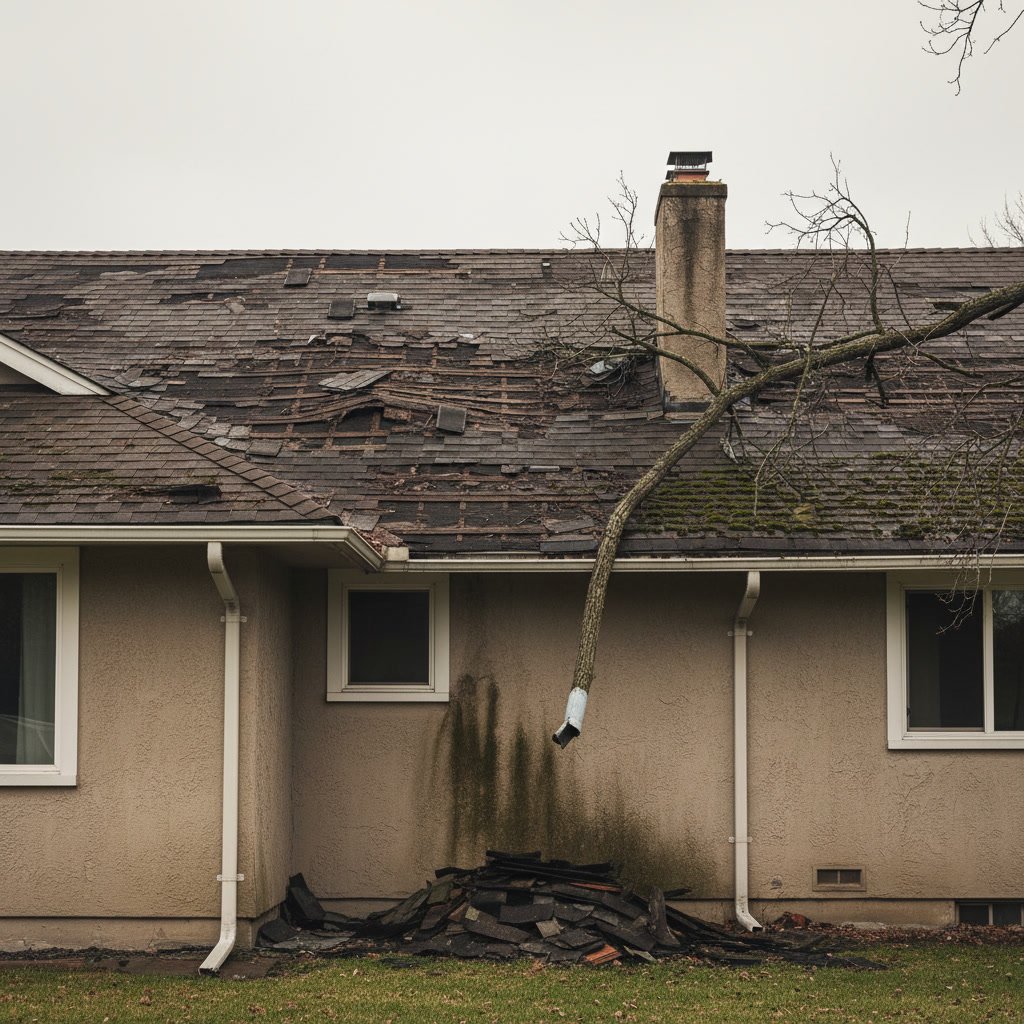
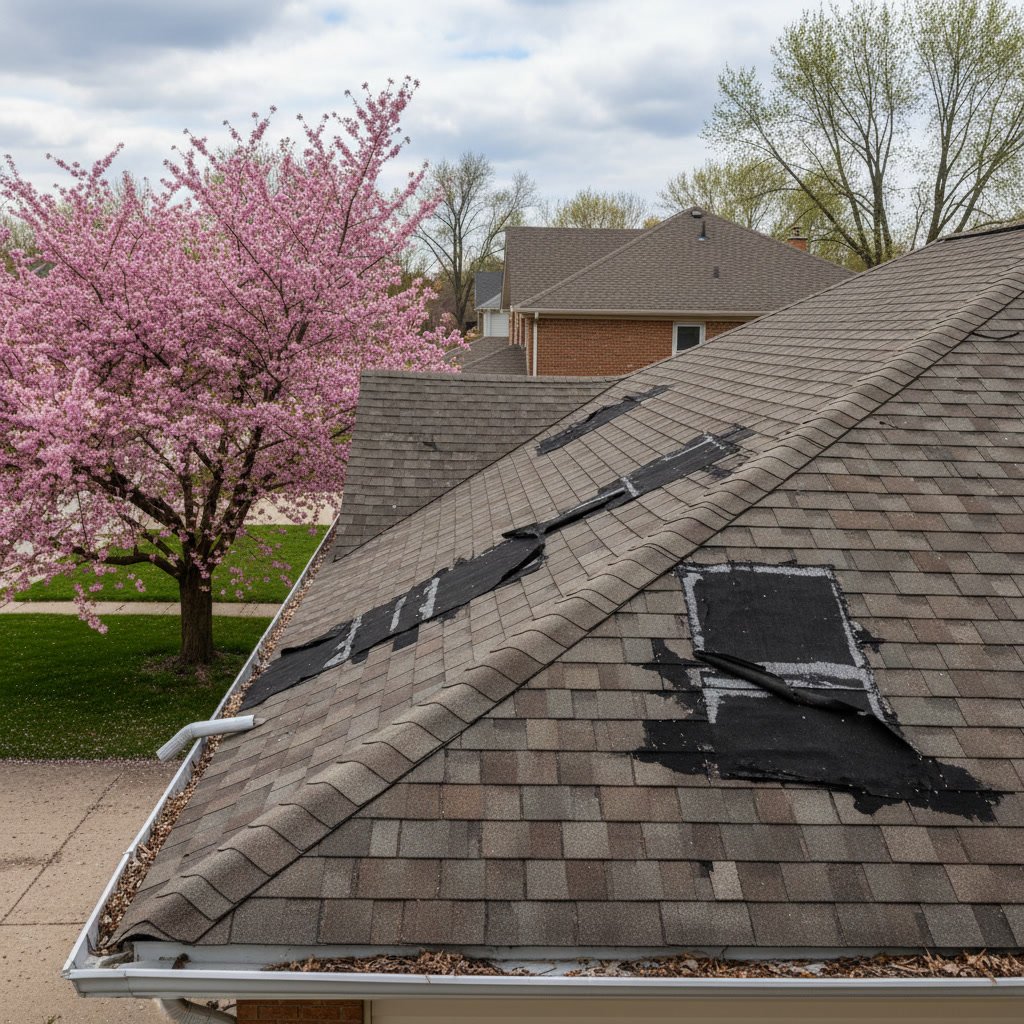
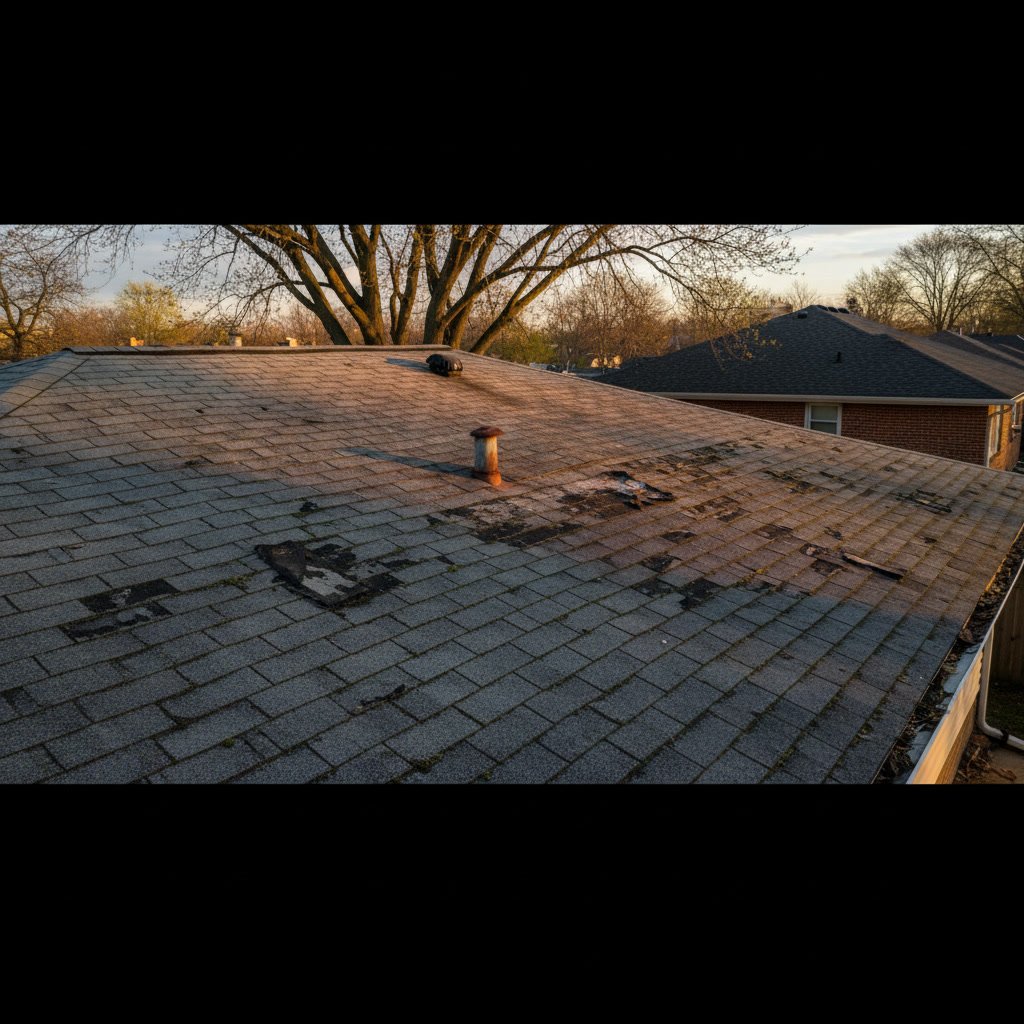
Isolated shingle damage from a fallen branch or concentrated wind exposure can justify a repair. When damage appears across multiple roof planes or covers more than 30 percent of your total roof area, replacement becomes the logical choice.
Walk around your property and examine all visible roof sections. Look for these patterns that indicate systemic failure rather than localized damage.
Curling and Cupping Throughout
Shingles curl at the edges or cup in the middle when the asphalt backing loses flexibility. This happens as the protective oils evaporate over years of sun exposure. Once curling begins, those shingles can no longer seal properly against wind-driven rain.
If curling appears on just one slope that receives maximum afternoon sun, repairs might suffice. When you see curling on north-facing slopes or across multiple roof sections, the entire system has reached the end of its service life.
Granule Loss Creating Bald Spots
Asphalt shingles are coated with ceramic granules that reflect UV rays and protect the underlying asphalt. As these granules wash away, the shingle backing becomes exposed and deteriorates rapidly. Some granule loss is normal in the first year and the last years of a roof’s life.
Check your gutters after a rain. A tablespoon or two of granules is normal. If you’re scooping out granules by the cupful, or if you can see black asphalt backing on large sections of your roof, the protective layer is gone. Patching won’t restore that protection across the entire roof surface.
Missing Shingles After Every Storm
Losing a few shingles during a severe storm with 60 mph winds is not unusual. Losing shingles during typical afternoon thunderstorms indicates that the seal strips have failed and the shingles can no longer grip the roof deck.
When this happens repeatedly across different roof sections, you’re treating symptoms rather than the underlying cause. The sealant strips that hold shingles in place degrade over time, and once they fail systemwide, replacement is the only permanent solution.
Multiple Leaks or Recurring Leaks in the Same Area
A single leak doesn’t automatically mean you need roof replacement Bloomingdale services. Multiple leaks, or the same leak returning after professional repairs, tells a different story.
Roof systems include multiple layers: shingles, underlayment, flashing, and decking. When water repeatedly penetrates despite surface repairs, the problem often lies in the underlayment or deck deterioration that can’t be addressed without removing the entire roof covering.
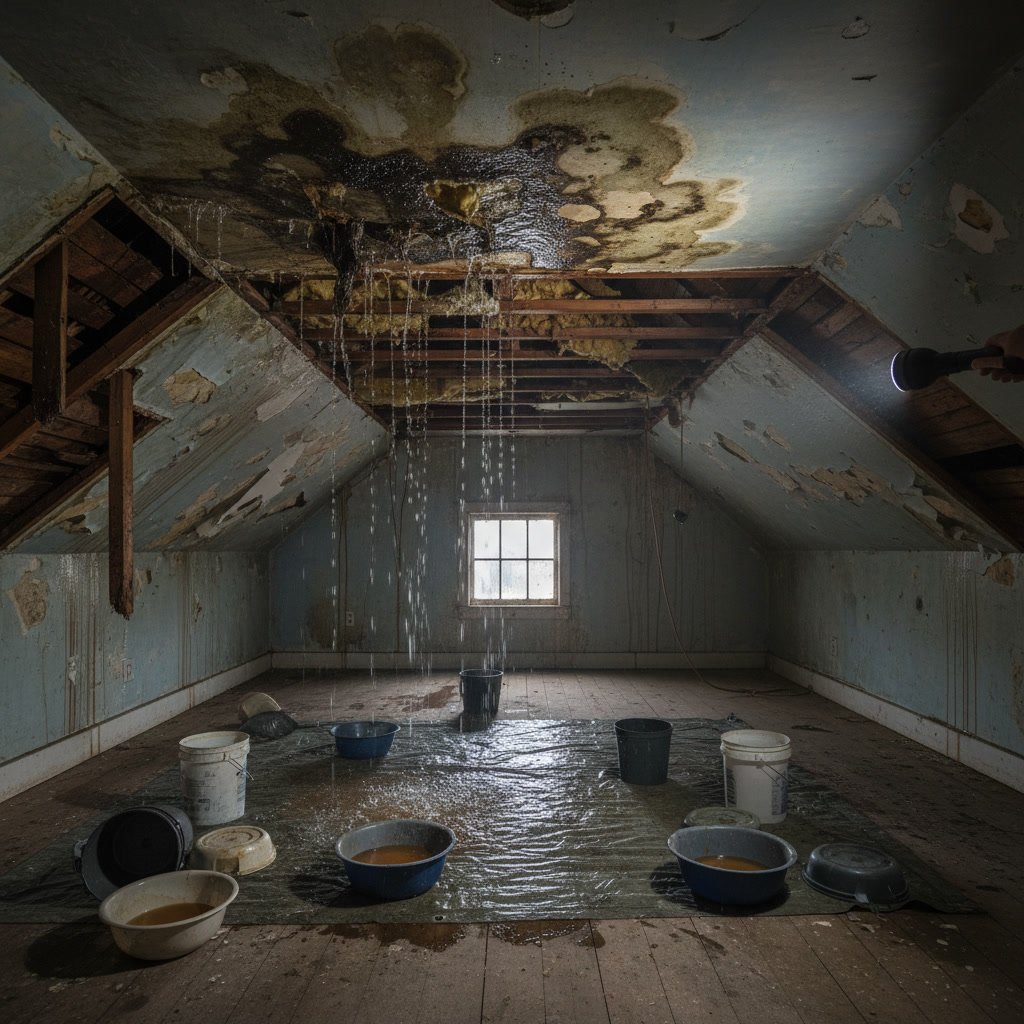
Interior water stains that grow larger after each rain, even following repairs, indicate water is tracking along the underside of your roof deck. This happens when the felt underlayment has torn or rotted, allowing water to travel horizontally before dripping through your ceiling.
You can learn more about the financial aspects of this decision in our detailed breakdown of roof replacement costs in the Brandon area, which covers similar pricing structures for Bloomingdale homes.
Sagging Roof Deck or Visible Structural Issues
A sagging roofline is never cosmetic. This indicates structural problems with the roof decking, trusses, or rafters that require immediate attention and almost always necessitate complete replacement.
Stand across the street from your home and look at the rooflines. They should appear straight and crisp. Any dips, waves, or sagging sections mean the structural support has been compromised, typically by prolonged water exposure or inadequate ventilation that caused wood rot.
Inside your attic, look for water stains on the underside of the roof deck, sagging between rafters, or soft spots when you press on the wood. These conditions are dangerous and can lead to sudden roof collapse if left unaddressed.
Structural repairs require removing the damaged sections of decking and installing new plywood or OSB sheathing. Since this work requires stripping off the shingles anyway, attempting to preserve an old roof covering makes no economic sense.
Daylight Visible Through the Roof Deck
Go into your attic on a sunny day and turn off any lights. If you can see pinpricks or streams of daylight coming through the roof deck, you have holes in your roof system. Where light enters, water will follow.
Small holes might develop around roof penetrations like vent pipes or where nails have worked loose over time. These can sometimes be repaired if the surrounding roof material is in good condition. When you see multiple light spots scattered across your attic ceiling, or when the wood around these holes appears dark and stained, the damage extends beyond what patches can fix.
This situation is particularly common in older tile roofing installations where the underlayment has completely deteriorated but the tiles themselves still look intact from the outside.
The Repair Cost Approaches 30 to 50 Percent of Replacement Cost
Financial analysis should guide your decision when the signs aren’t clear-cut. Roofing professionals use a simple rule: if a repair costs more than 30 percent of what a full replacement would cost, and your roof is past the halfway point of its expected lifespan, replacement is usually the better investment.
For example, if you receive a repair estimate for $4,500 and a full replacement would cost $12,000, that repair represents 37.5 percent of replacement cost. If your roof is also 15 years old (past the midpoint of a 20 to 25 year lifespan), you’re better off replacing now rather than spending nearly half the replacement cost on a temporary fix.
This calculation becomes even more compelling when you factor in that you’ll likely need another major repair within two to three years, followed by inevitable replacement. The total spent on multiple repairs plus eventual replacement often exceeds what you would have paid for replacement alone.
Key Takeaway: Request both a repair estimate and a replacement estimate from your roofing contractor. Compare the numbers against your roof’s age to make an informed financial decision.
Energy Bills Have Increased Noticeably
A failing roof loses its ability to insulate your home and ventilate your attic properly. If your energy bills have climbed steadily over the past few years without corresponding changes in your usage patterns or utility rates, your roof may be the culprit.
Damaged or missing shingles allow heat to penetrate your attic space more easily. Deteriorated underlayment and inadequate ventilation trap that heat, forcing your air conditioning system to work harder. In Florida’s climate, this can add $30 to $100 or more to your monthly cooling costs.
While improved insulation and ventilation can sometimes be added during major repairs, a full replacement allows contractors to install modern underlayment with radiant barriers and optimize ventilation systems. These improvements often pay for themselves over time through reduced energy consumption.
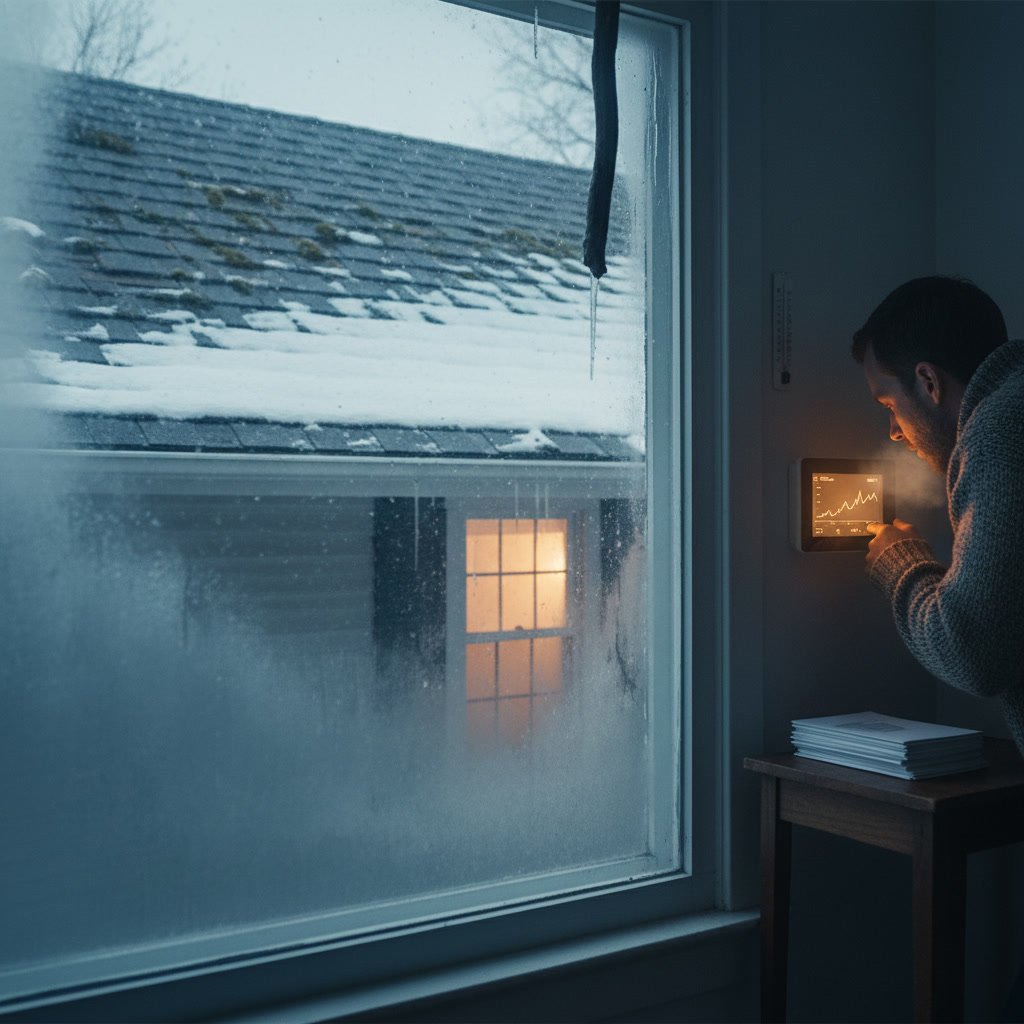
Storm Damage Affects More Than 50 Percent of Your Roof
Florida’s severe weather can cause extensive damage in a single event. After hurricanes, hailstorms, or tornado-producing storms, insurance adjusters assess what percentage of your roof sustained damage.
Insurance companies typically authorize full replacement when damage exceeds 50 percent of the roof area, recognizing that extensive partial repairs on an aging roof system don’t make practical sense. Even if your policy covers repairs, mixing large sections of new materials with old often creates an inconsistent appearance and doesn’t address the vulnerability of the undamaged sections.
If you’ve experienced significant storm damage, have your roof professionally assessed. Document the damage with photos before any temporary repairs. Your insurance may cover replacement even when you expected only to receive repair coverage.
For commercial property owners dealing with storm damage to low-slope roof systems, our guide to flat roofing materials for commercial buildings covers replacement options and material selection.
Your Neighbors Are Replacing Their Roofs
If your home is in an established Bloomingdale neighborhood where homes were built around the same time, pay attention when you notice multiple neighbors getting new roofs within a year or two of each other.
Subdivisions built in the same phase typically used the same roofing materials installed within months of each other. These roofs age at similar rates and reach the end of their service life around the same time. When three or four neighbors within your street have replaced their roofs recently, yours is likely in comparable condition even if you haven’t noticed obvious problems yet.
Being proactive rather than reactive gives you time to research contractors, compare estimates, and schedule the work during the optimal season rather than waiting for an emergency situation during rainy season when contractors are booked solid and emergency repairs cost more.
Moss, Algae, or Fungal Growth Has Penetrated the Shingles
Florida’s humidity creates perfect conditions for biological growth on roofs. The black streaks commonly seen on roofs are actually algae (Gloeocapsa magma) that feed on the limestone filler in asphalt shingles.
Surface algae on relatively new roofs can be cleaned, though the cleaning process itself can damage aging shingles. When moss or fungus has taken hold and you can see raised sections where growth has lifted the shingles, or when the growth returns within months after cleaning, the shingles have become porous and compromised.
Moss roots work their way under shingle edges and hold moisture against the roof surface, accelerating decay. Once this process begins, cleaning removes the visible growth but doesn’t repair the damage already done to the shingle structure. At this stage, replacement provides a fresh start and an opportunity to install algae-resistant shingles that prevent recurrence.
Frequently Asked Questions
How long does a typical roof replacement take in Bloomingdale?
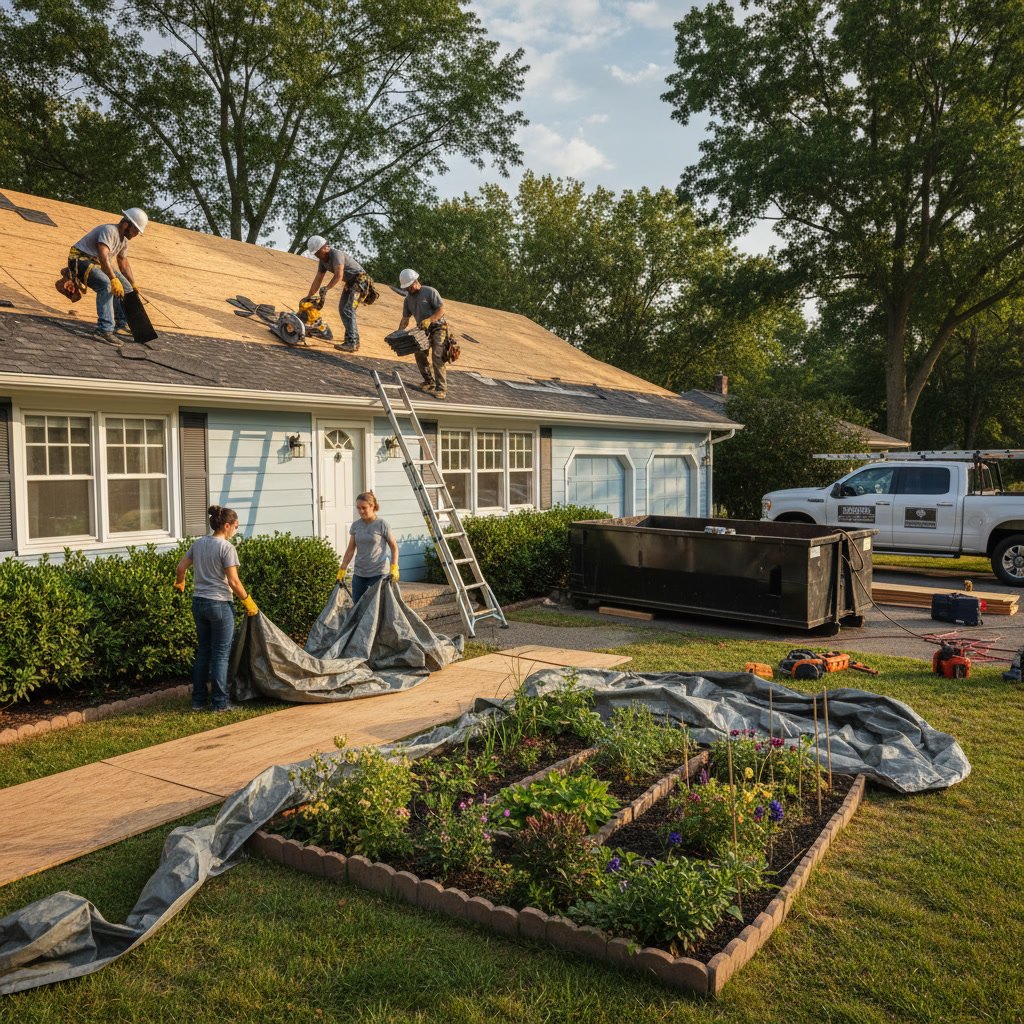
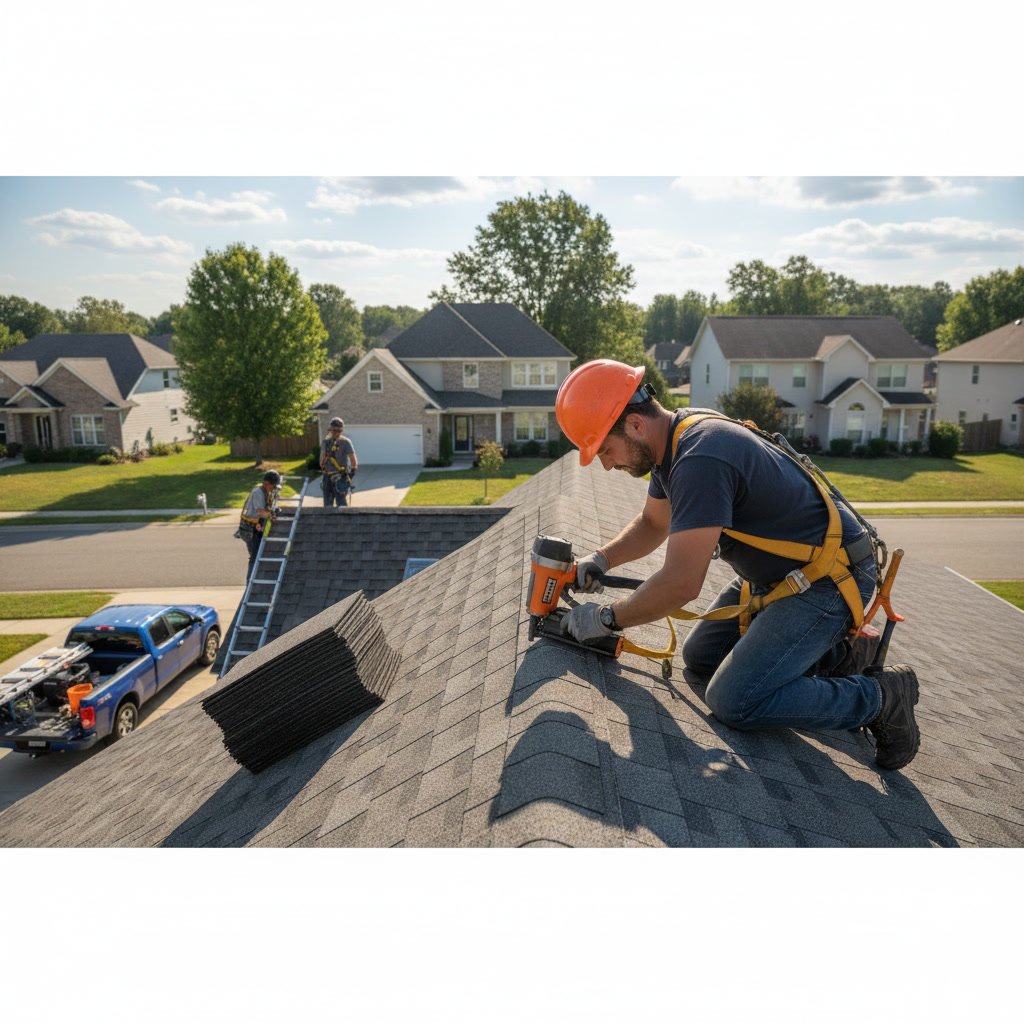
Most residential roof replacements in Bloomingdale take between two and four days depending on the home size, roof complexity, and weather conditions. Simple ranch-style homes might be completed in one to two days, while two-story homes with multiple valleys and penetrations typically require three to four days. Your contractor should provide a specific timeline during the estimate process.
Can I replace only the damaged section of my roof instead of the entire thing?
Partial roof replacement is possible when damage is isolated to a single roof plane and the rest of the roof is relatively new and in good condition. However, matching shingles can be difficult, and the color may not blend well. If your roof is more than 12 to 15 years old, most contractors recommend full replacement because the undamaged sections will likely need replacement within a few years anyway.
Will my homeowner’s insurance cover roof replacement?
Insurance coverage depends on the cause of damage and your policy terms. Storm damage, fire, and sudden accidental damage are typically covered, minus your deductible. Wear and tear from age or lack of maintenance is not covered. If you believe storm damage has affected your roof, document everything and contact your insurance company promptly. Many policies require you to report damage within a specific timeframe.
What time of year is best for roof replacement in Florida?
The ideal window for roof replacement in Florida is November through April when rainfall is less frequent and temperatures are milder. However, reputable contractors work year-round and can complete quality installations even during summer months. The key is scheduling during a weather window with several consecutive dry days forecasted. Emergency replacements obviously can’t wait for ideal conditions.
How do I choose between asphalt shingles and tile for my replacement roof?
Asphalt shingles cost less initially, typically ranging from $350 to $550 per square installed, and last 20 to 30 years with proper maintenance. Tile roofs cost $800 to $1,200 or more per square but can last 50 years or longer. Consider your budget, how long you plan to stay in your home, and your home’s architectural style. Your roofing contractor can show you samples and discuss which materials best suit your specific situation and goals.
Making the Right Decision for Your Home
Recognizing when your roof has crossed from repairable to replacement-worthy protects your home from water damage and saves money in the long run. Age over 20 years, widespread shingle damage, recurring leaks, structural issues, and repair costs approaching half of replacement cost all point toward roof replacement Bloomingdale homeowners should seriously consider.
Quick Quote Roofing provides comprehensive roof inspections and honest assessments for homeowners throughout Bloomingdale and surrounding communities. Our licensed professionals will evaluate your roof’s condition, explain your options clearly, and provide detailed estimates for both repair and replacement so you can make an informed decision based on your specific situation.
Contact Quick Quote Roofing at +18135647603 to schedule your roof inspection and receive your detailed assessment. We work with all major insurance companies and provide financing options to make necessary roof replacement accessible and affordable.