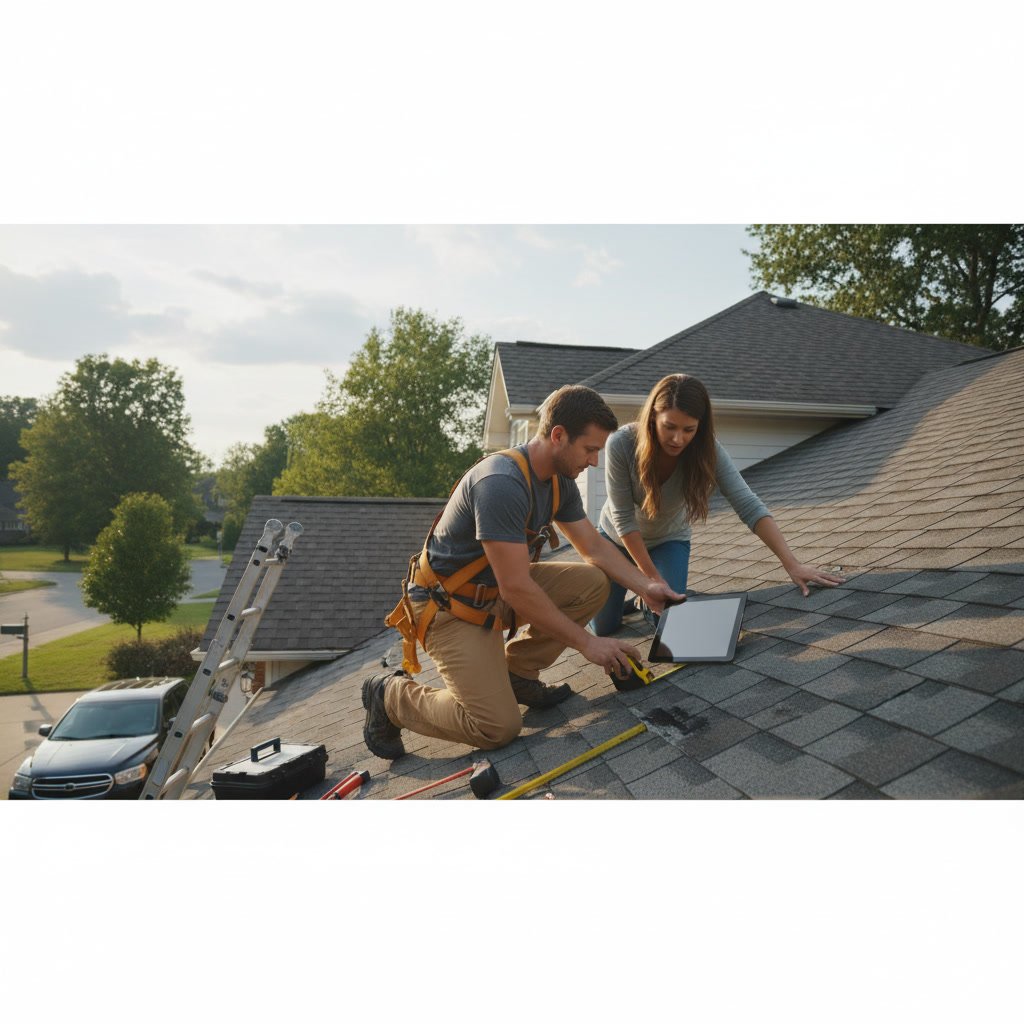
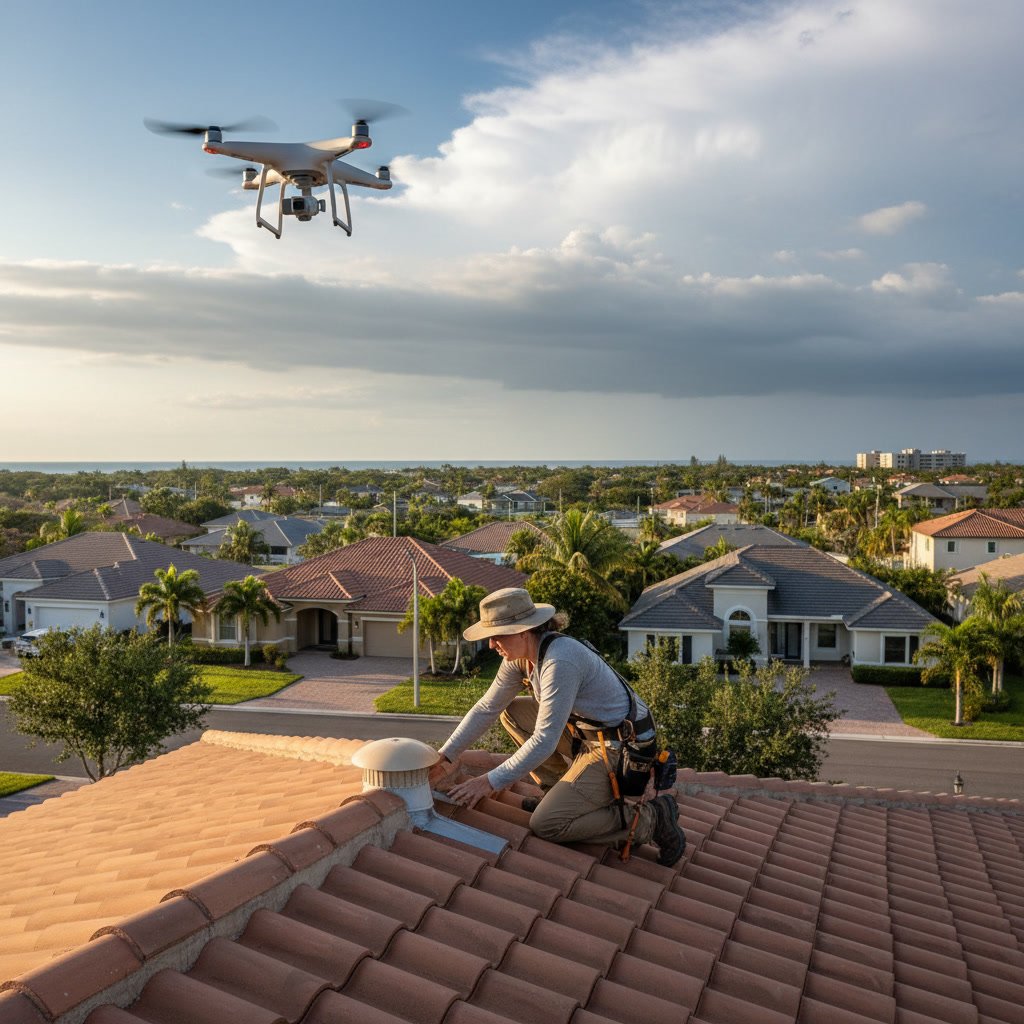
Your roof takes a beating in Florida. Between hurricane season, relentless UV exposure, and humidity that never seems to quit, your roof faces conditions that accelerate wear and tear faster than almost anywhere else in the country. Understanding the proper roof inspection frequency Florida experts recommend can mean the difference between a minor repair and a costly replacement.
This guide breaks down exactly how often you should inspect your roof based on its age, material, and the unique weather challenges across the Tampa Bay area. You’ll learn what to look for, when to call a professional, and how regular inspections save you money in the long run.
The Standard Rule for Florida Roof Inspections
Most roofing professionals recommend scheduling a comprehensive roof inspection at least twice per year in Florida. This baseline applies to typical residential roofs in good condition without recent storm damage or visible problems.
The ideal schedule includes one inspection in late spring (April or May) and another in late fall (October or November). Spring inspections catch damage from winter storms and prepare your roof for summer heat, while fall inspections ensure your roof is hurricane-ready and identifies issues before cooler weather arrives.
However, this twice-yearly standard is just the starting point. Several factors specific to Florida properties may require more frequent attention.
Pro Tip: Schedule your fall inspection before June 1st, the official start of hurricane season. This gives you time to complete any necessary repairs before severe weather threatens your home.
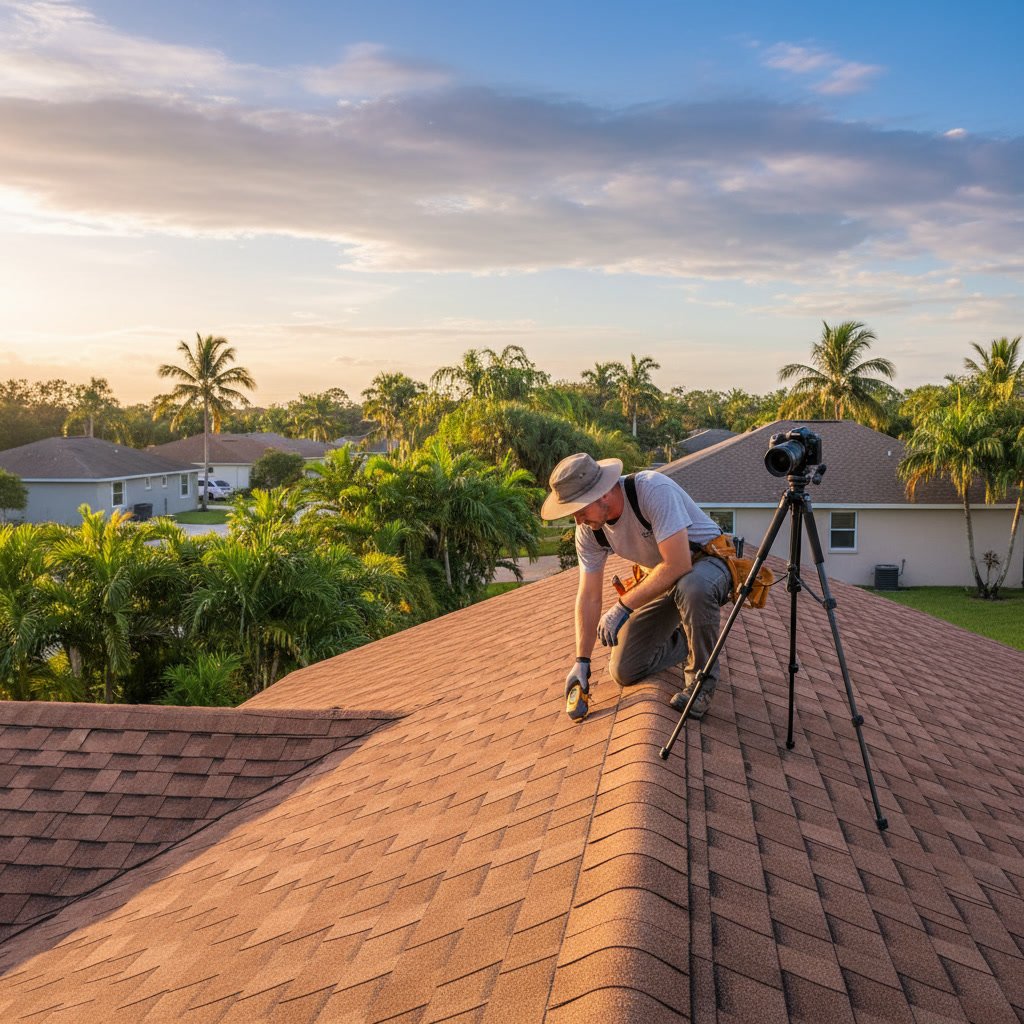
When Your Roof Needs More Frequent Inspections
Certain situations demand you increase your roof inspection frequency Florida professionals typically recommend. Age tops the list of factors that should push you toward quarterly or even monthly visual checks.
Roof Age and Material Considerations
If your roof is 15 years or older, consider quarterly professional inspections. Asphalt shingle roofs approaching their 20-year mark need even closer monitoring, as small issues can rapidly escalate into major leaks. Tile roofing systems generally last longer but still require regular checks for cracked or displaced tiles.
Flat or low-slope roofs popular on commercial buildings need inspection every three to four months. Water pooling issues develop quickly on these surfaces, especially during Florida’s rainy season. If you manage commercial property in the region, the extra vigilance pays off by catching problems before interior damage occurs.
After Every Major Weather Event
Florida experiences more than its share of severe weather. Schedule an inspection within one to two weeks after any hurricane, tropical storm, or severe thunderstorm with high winds. Even if you see no obvious damage from the ground, wind-driven rain can compromise flashing, and flying debris may have caused damage you can’t see from your driveway.
Hail is less common in Florida than other states, but when it does occur, the damage can be extensive. If your area experiences a hailstorm, get your roof inspected immediately. Insurance claims for storm damage often have strict filing deadlines, and documentation from a professional inspection strengthens your case.
Trees and Vegetation Near Your Home
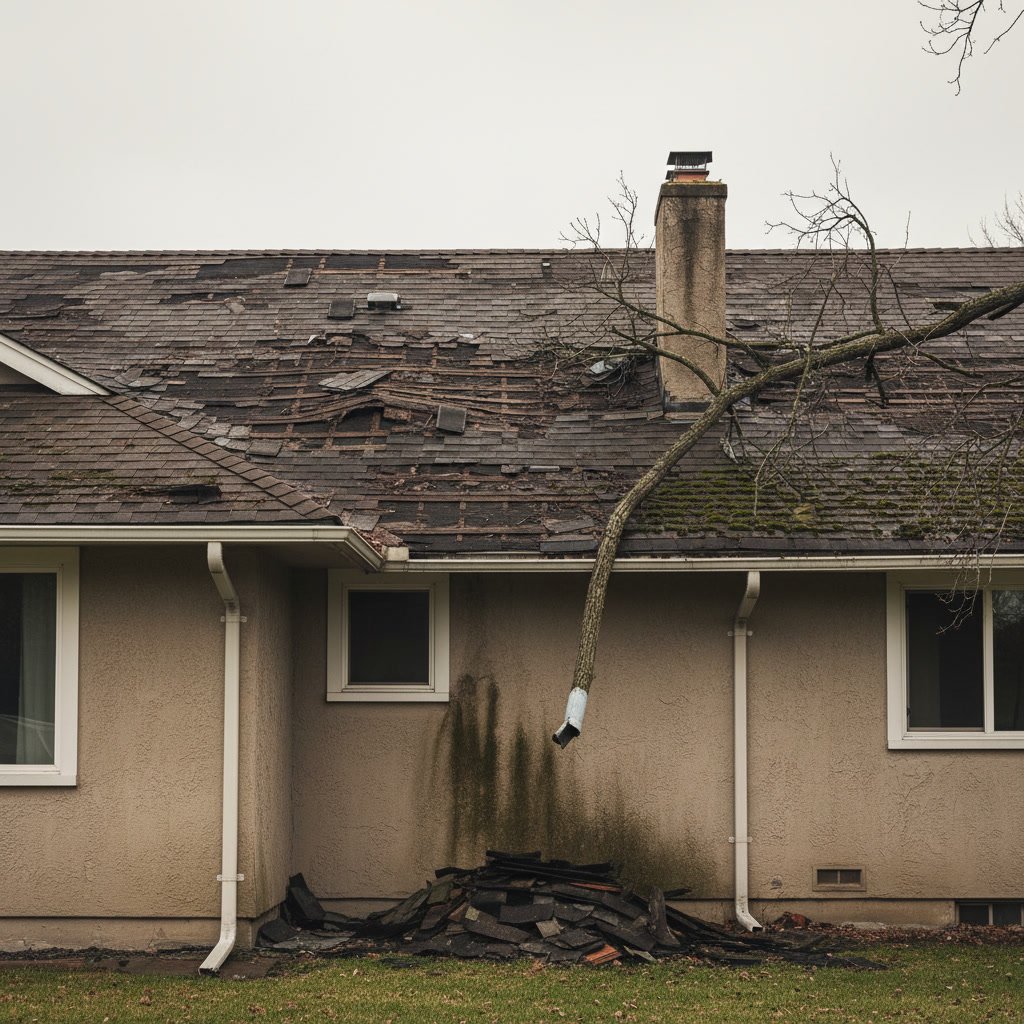
Homes surrounded by large trees, common in areas like Lithia and Fish Hawk, need more frequent inspections. Overhanging branches drop leaves and debris that trap moisture and accelerate shingle deterioration. Falling branches during storms create immediate damage risks.
If trees shade large portions of your roof, consider inspection every four months. The combination of shade, moisture, and organic debris creates perfect conditions for algae, moss, and mold growth that compromise roof integrity.
What Professional Roof Inspections Actually Cover
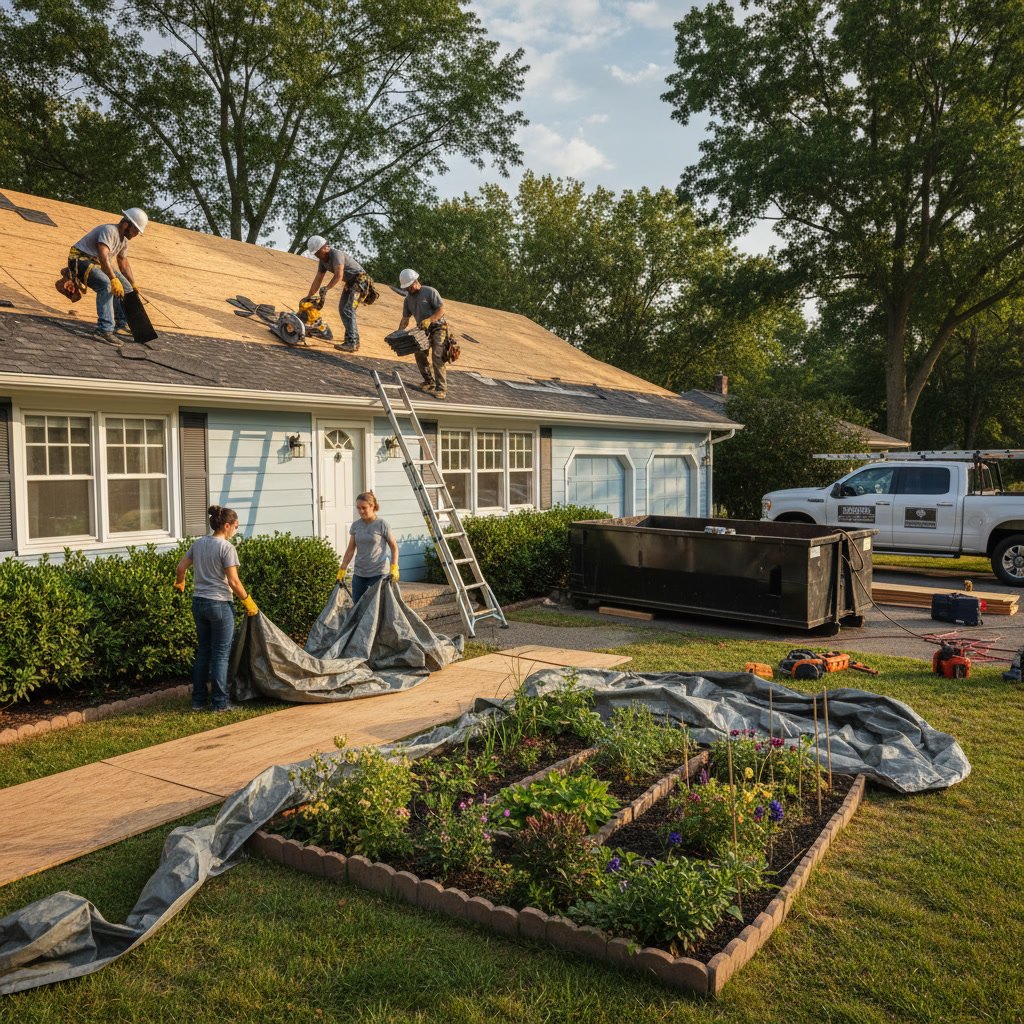
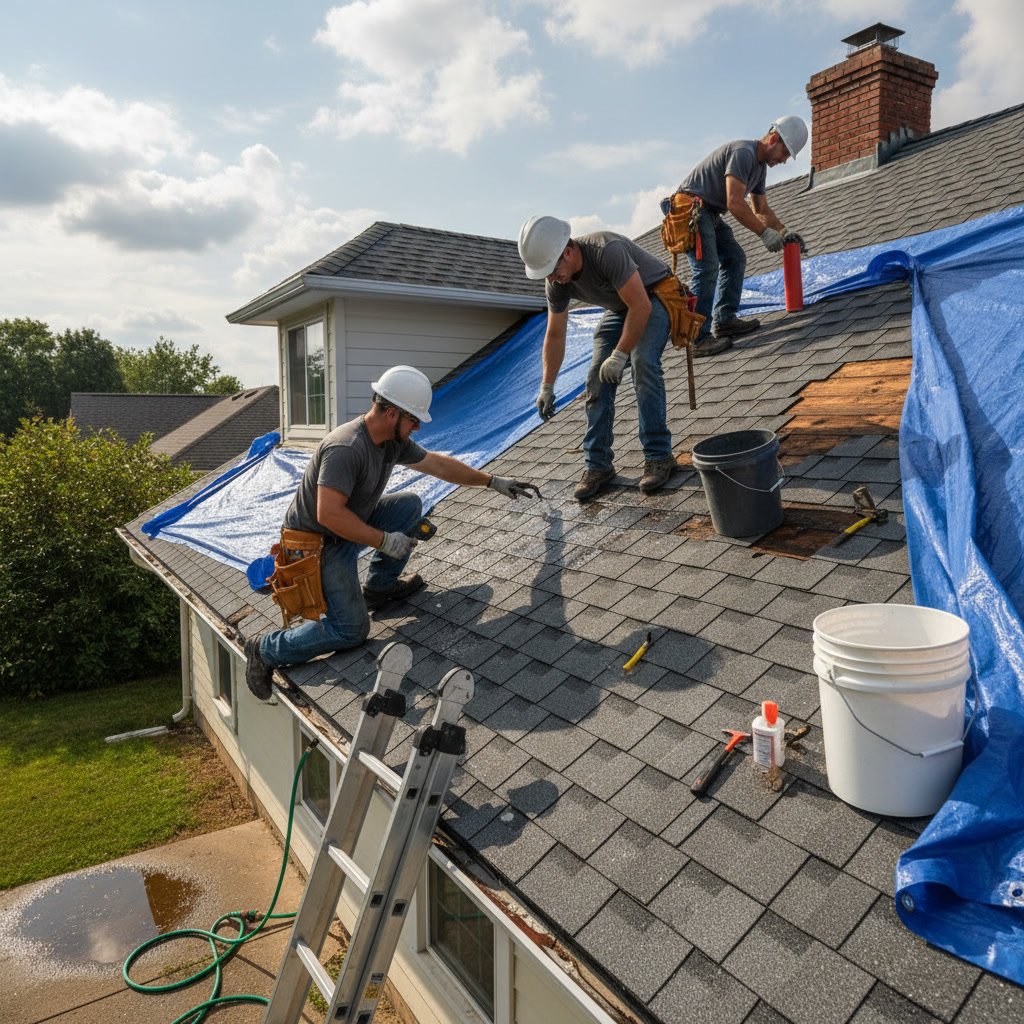
A thorough professional inspection goes far beyond what you can see from the ground. Licensed roofing contractors examine multiple critical components most homeowners overlook.
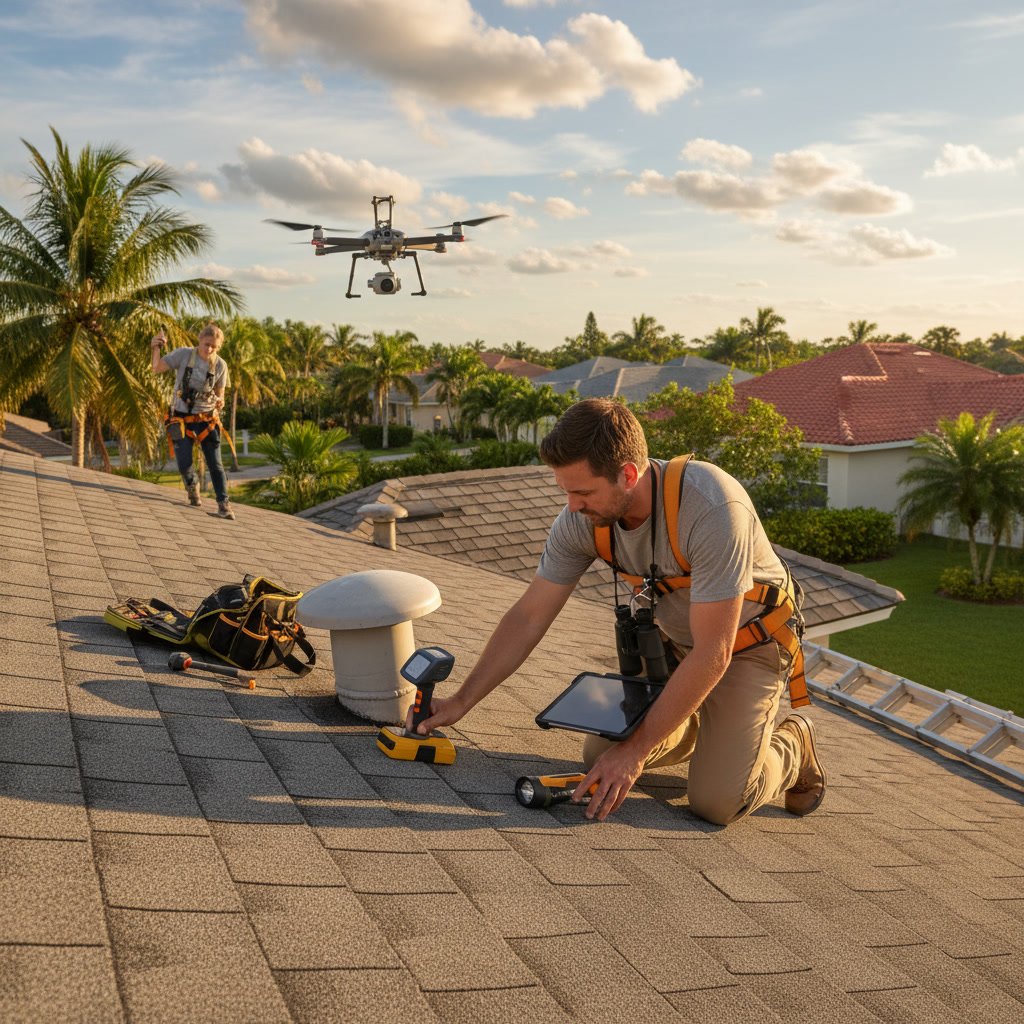
Inspectors check shingles or tiles for cracks, curling, missing pieces, and granule loss. They examine flashing around chimneys, vents, and skylights where leaks most commonly develop. Gutters and downspouts get checked for proper drainage, since water backup can cause roof edge damage.
The inspection includes examining your attic for signs of water intrusion, inadequate ventilation, and insulation problems. Poor attic ventilation is especially problematic in Florida’s heat, causing premature shingle failure and driving up cooling costs. Inspectors also look for daylight visible through the roof deck and check for sagging or structural concerns.
Many inspectors now use drones and infrared technology to identify hidden moisture problems and thermal irregularities that indicate failing insulation or concealed leaks. These tools catch issues long before they become visible from inside your home.
Signs You Need an Inspection Right Now
Certain warning signs mean you shouldn’t wait for your scheduled inspection. Water stains on ceilings or walls demand immediate professional attention, even if the stain seems small. What you see inside often represents only a fraction of the actual water damage occurring in your roof structure.
Shingles in your yard after a storm, even just a few, indicate potential widespread damage. Check your gutters for excessive granules from asphalt shingles, which signals advanced wear. Sagging sections of your roofline, no matter how slight, point to serious structural problems that require urgent evaluation.
If your energy bills suddenly spike without explanation, your roof may have developed ventilation problems or gaps that compromise your home’s thermal envelope. Musty odors in your attic or upper floors often indicate hidden moisture problems that professional inspection will pinpoint.
Inside your home, peeling paint near the roofline or on exterior soffits suggests moisture is escaping from your roof system. Daylight visible through roof boards when you’re in the attic means gaps have developed that allow water intrusion.
Key Takeaway: Never ignore small warning signs. The cost of an inspection is minimal compared to the expense of repairing water damage to your home’s interior, insulation, and framing.
The Real Cost of Skipping Regular Inspections
Delaying or skipping roof inspections might seem like a smart way to save money, but the math works against you. A minor repair that costs a few hundred dollars can turn into a multi-thousand dollar roof replacement when problems go undetected for years.
Water damage from a small leak spreads through roof decking, insulation, and eventually into walls and ceilings. Mold remediation alone can cost thousands, and insurance may not cover damage that resulted from deferred maintenance. In Florida’s humid climate, mold develops quickly once moisture finds its way into your home’s structure.
Regular inspections also extend your roof’s lifespan. Catching minor issues early, like a few loose shingles or failing flashing, prevents accelerated wear across the entire roof system. A roof properly maintained through regular inspection can last 25 to 30 percent longer than one that receives attention only when major problems develop.
For homeowners considering selling, recent inspection records and documentation of repairs significantly boost buyer confidence. Many buyers in Florida specifically request roof inspection reports before making offers, especially on homes with roofs over 10 years old. Understanding typical replacement costs in the area helps you appreciate the value regular maintenance provides.
DIY Visual Checks Between Professional Inspections
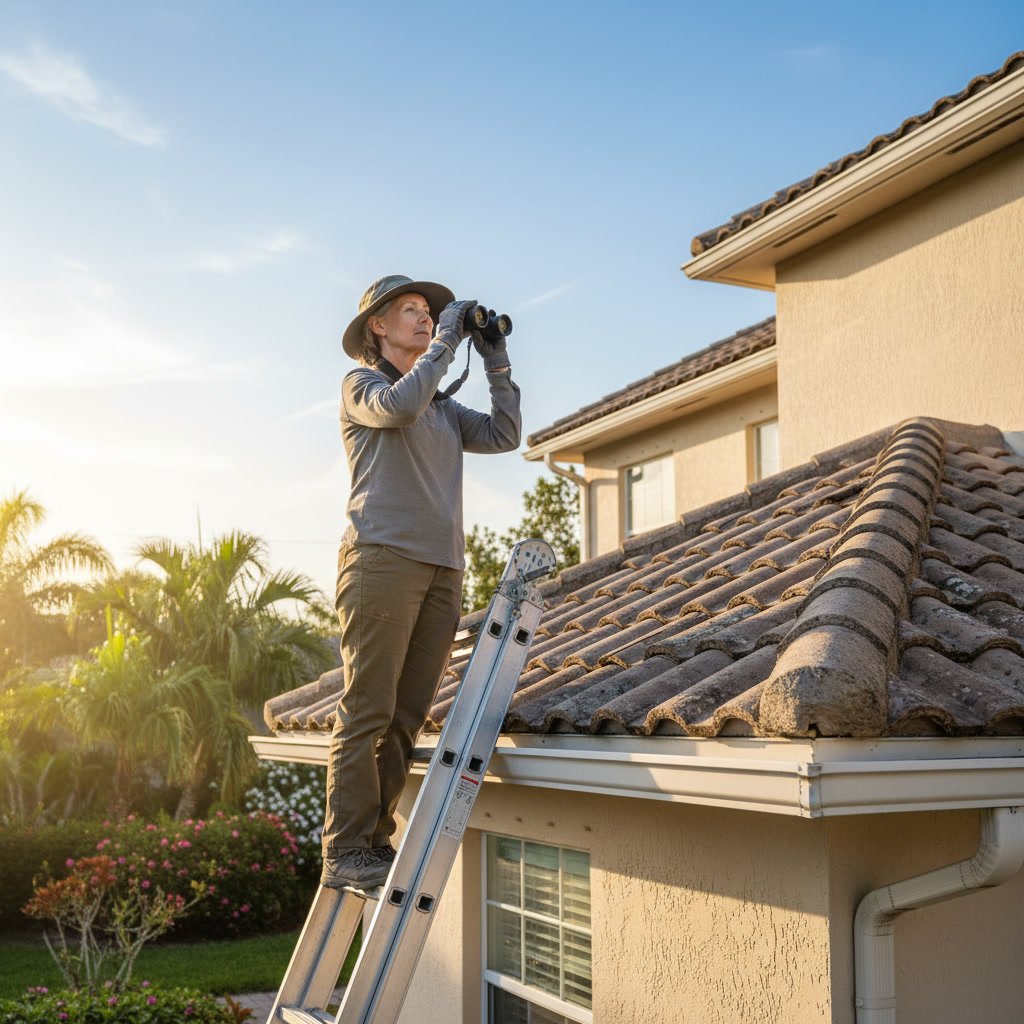
While professional inspections remain essential, homeowners can perform simple visual checks monthly. You don’t need to climb onto your roof; in fact, staying off your roof prevents accidental damage and keeps you safe.
From the ground, use binoculars to scan for obvious problems like missing or damaged shingles, lifted flashing, or debris accumulation. Walk around your entire house and look at all roof sections from different angles. Check your gutters after rain to ensure they’re draining properly.
Inside your home, periodically check your attic on sunny days. Look for light penetrating through the roof deck and examine insulation for wet spots or discoloration. After heavy rain, inspect ceilings and walls near the roofline for new stains or soft spots.
Document what you find with photos and dates. This record helps you track changes over time and provides valuable information when you schedule professional inspections. If you notice any concerning changes, don’t wait for your next scheduled inspection to call a professional.
Never attempt to walk on your roof yourself. Florida roofs, especially tile and metal systems, can be surprisingly fragile, and the risk of falling far outweighs any money saved by skipping a professional visit.
Regional Considerations Across the Tampa Bay Area
Different microclimates across the Tampa Bay region affect ideal roof inspection frequency Florida homeowners should follow. Coastal properties in areas closer to the water face higher salt exposure, which accelerates metal component corrosion and affects certain roofing materials differently than inland locations.
Properties in Valrico and Dover with significant tree coverage may need more frequent checks for biological growth and debris accumulation. The combination of shade and humidity in these areas creates conditions where algae and moss thrive.
Urban properties in denser areas sometimes benefit from surrounding structures that provide wind protection, while isolated rural homes take the full force of storm systems. Consider your specific location and exposure when deciding whether to inspect twice yearly or more frequently.
Commercial properties with flat roofing systems throughout the region need more frequent attention regardless of location. The low-slope design common on commercial buildings makes them more vulnerable to water pooling and membrane failure, especially during Florida’s intense summer rainstorms.
How to Choose an Inspector and What to Expect
Select a licensed roofing contractor rather than a general home inspector for roof-specific inspections. Florida requires roofing contractors to hold an active license, and you should verify this before scheduling. Look for contractors with experience in your specific roof type and material.
A comprehensive inspection typically takes 45 minutes to two hours depending on your roof’s size and complexity. The inspector should provide a detailed written report with photos documenting their findings. This report should clearly identify any problems, explain their severity, and recommend solutions with estimated timelines.
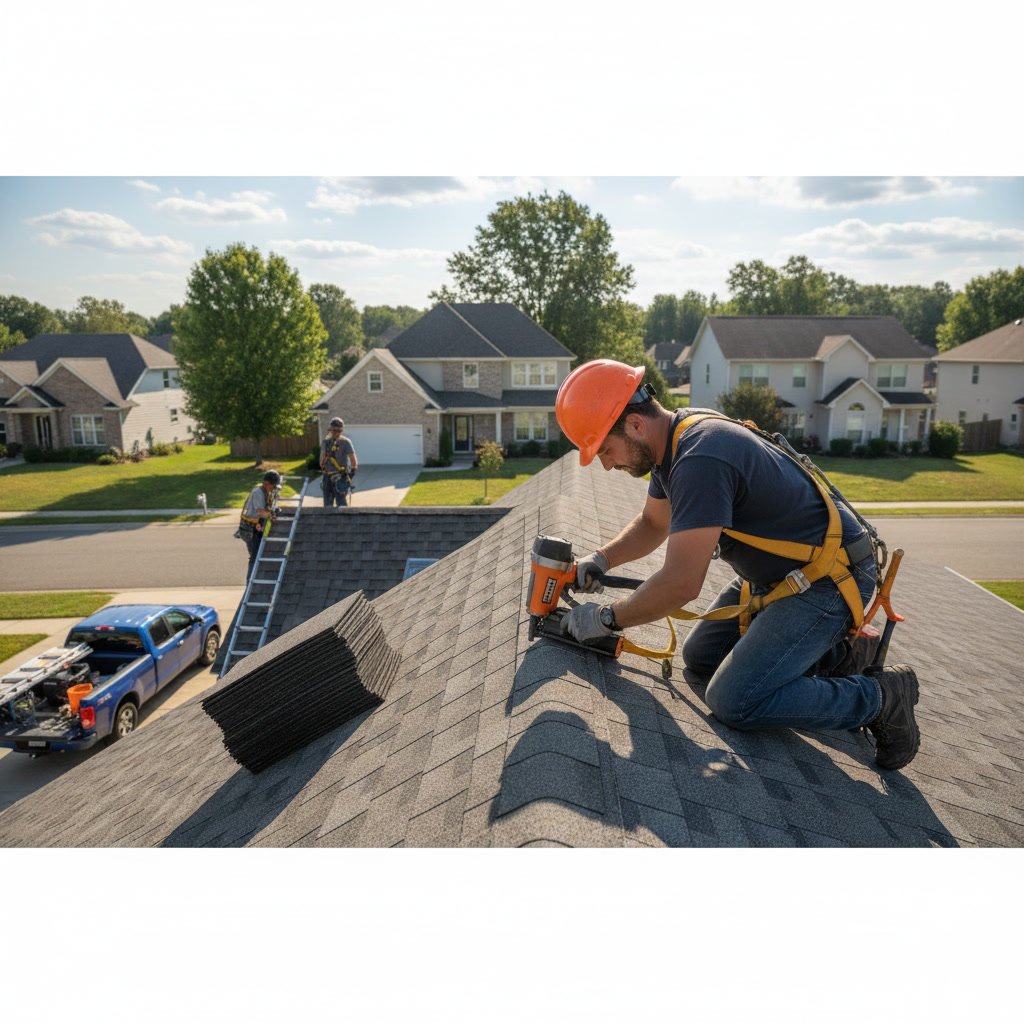
Expect the inspector to access your roof safely using appropriate fall protection. They should also inspect your attic and examine your home’s interior near the roofline. Be wary of inspectors who only look from the ground or who immediately push for expensive repairs without showing you documented evidence of problems.
Reputable contractors provide inspection reports with no obligation to use their services for repairs. However, having the same company that knows your roof’s condition handle any needed roof repairs often makes sense from a continuity and warranty perspective.
Insurance and Warranty Considerations
Many insurance companies now require periodic roof inspections, especially for policies covering older homes. Some insurers offer premium discounts for homeowners who maintain regular inspection schedules and promptly address identified issues. Check your policy to understand any specific requirements that affect your coverage.
Roof warranties often contain maintenance clauses requiring regular inspections. Failing to maintain documentation of these inspections can void warranty coverage when you need it most. Keep all inspection reports and repair records in a permanent file that you can access quickly if you need to file a warranty or insurance claim.
After major storms, insurance adjusters may request inspection reports to establish whether damage occurred during the covered event or resulted from pre-existing conditions. Having recent pre-storm inspection documentation strengthens your claim and can significantly speed the adjustment process.
Frequently Asked Questions
How much does a professional roof inspection cost in Florida?
Professional roof inspections typically range from 75 to 200 dollars depending on roof size, complexity, and whether specialized equipment like infrared cameras is used. Many roofing contractors offer free inspections if you proceed with recommended repairs, though it’s often worth paying for an independent assessment to get unbiased findings.
Can I perform my own roof inspection instead of hiring a professional?
While you can and should perform visual checks from the ground, professional inspections remain essential. Trained inspectors identify subtle problems invisible to untrained eyes and safely access areas you cannot reach. They also provide documentation needed for insurance and warranty purposes that your personal observations cannot fulfill.
Do tile roofs need inspection as often as shingle roofs in Florida?
Tile roofs generally last longer than asphalt shingles, but they still need regular inspection. The tiles themselves are durable, but the underlayment beneath them degrades over time and tiles can crack or slip out of position. Inspect tile roofs at least twice yearly using the same schedule recommended for other materials, with particular attention to individual tile condition and proper placement.
What time of year is best for roof inspections in Florida?
Late spring (April to May) and late fall (October to November) provide ideal timing for Florida roof inspections. The spring inspection prepares your roof for summer heat and identifies winter damage, while the fall inspection ensures hurricane readiness. Avoid scheduling during the peak heat of summer when attic temperatures make thorough interior inspection uncomfortable and potentially dangerous.
Will my insurance cover the cost of roof inspections?
Standard homeowners insurance typically does not cover routine preventive inspections, though some policies include periodic inspections as part of coverage requirements. However, insurance generally covers inspections needed to assess damage after a covered event like a hurricane or storm. Review your specific policy or contact your insurance agent to understand what your coverage includes.
Protecting Your Investment Through Regular Inspection
The roof inspection frequency Florida’s climate demands isn’t about following arbitrary rules. It’s about protecting one of your home’s most critical and expensive components from conditions that cause faster deterioration than almost anywhere else in the country. Twice-yearly professional inspections, supplemented by monthly visual checks and post-storm assessments, form the foundation of a solid maintenance strategy.
Regular inspections catch small problems before they become expensive emergencies, extend your roof’s functional life, and maintain your home’s value. The modest cost of inspection pays for itself many times over by preventing major repairs and giving you peace of mind that your home is protected.
Quick Quote Roofing provides comprehensive roof inspections throughout Valrico, Riverview, Bloomingdale, and surrounding Tampa Bay communities. Our licensed inspectors deliver detailed reports that help you make informed decisions about your roof’s care. Call us at +18135647603 to schedule your inspection and ensure your roof is ready for whatever Florida weather brings next.